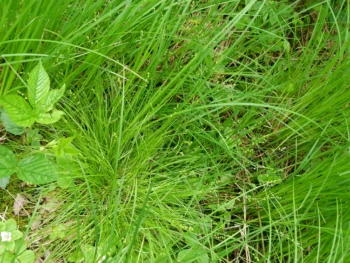
Brownish Sedge: A Rare Native Gem for Specialized Gardens
Meet the brownish sedge (Carex brunnescens sphaerostachya), a quietly charming native perennial that’s more special than its humble name might suggest. This unassuming little sedge has been quietly doing its job across North America’s wetlands and woodland edges for centuries, but it’s become increasingly rare in some regions—making it a plant worth knowing about and protecting.
Where You’ll Find This Native Beauty
Brownish sedge is truly a North American native, calling both Canada and the lower 48 states home, with populations even extending to St. Pierre and Miquelon. You can find this hardy perennial growing naturally across an impressive range of states and provinces, from British Columbia to Newfoundland, and from Georgia up to the northern reaches of Canada.
- Species observed
- No observations
However, don’t let its wide distribution fool you—this sedge is becoming increasingly scarce in some areas. In New Jersey, it’s listed as endangered with an S1 rarity status and is protected in both the Pinelands and Highlands regions.
What Makes Brownish Sedge Special
As a member of the sedge family, brownish sedge brings that fine-textured, grass-like appearance that adds subtle beauty to naturalistic plantings. This perennial forms small clumps with delicate, brownish flower spikes that give the plant its common name. While it may not be the showiest plant in your garden, it has an understated elegance that works beautifully in the right setting.
The plant is also known by its synonym Carex brunnescens var. sphaerostachya, so you might see it listed either way in plant databases or specialty nurseries.
Should You Grow Brownish Sedge?
Here’s where things get interesting—and important. If you’re drawn to this native sedge, you absolutely should consider growing it, but with a big caveat: only source it responsibly. Given its endangered status in some regions, it’s crucial to:
- Purchase only from reputable native plant nurseries that propagate their own stock
- Never collect from wild populations
- Verify that any plants you buy are nursery-propagated, not wild-collected
- Consider growing it as part of conservation efforts in your region
The Perfect Spot for Brownish Sedge
This isn’t your typical border perennial—brownish sedge thrives in specialized conditions that make it perfect for certain types of gardens:
- Rain gardens and bioswales: Loves consistently moist soil
- Woodland edges: Appreciates partial shade conditions
- Native plant gardens: Fits beautifully into naturalistic designs
- Bog or wetland gardens: Right at home in wet, acidic conditions
- Restoration projects: Valuable for ecological restoration work
Growing Conditions That Make It Happy
Brownish sedge is hardy in USDA zones 2-7, making it suitable for northern and cooler temperate climates. To keep your brownish sedge thriving:
- Moisture: Prefers consistently moist to wet soils—think bog-like conditions
- Light: Tolerates full sun to partial shade, but appreciates some protection in hotter climates
- Soil: Prefers acidic soils with good organic content
- Drainage: Unlike many plants, this one actually likes wet feet
Planting and Care Tips
Once you’ve sourced your brownish sedge responsibly, caring for it is refreshingly straightforward:
- Plant in spring or fall when temperatures are moderate
- Keep soil consistently moist, especially during establishment
- Minimal fertilization needed—rich organic soil is usually sufficient
- Division can be done in spring or fall if you want to expand your planting
- Very low maintenance once established in the right conditions
Wildlife and Ecological Benefits
While brownish sedge is wind-pollinated rather than insect-pollinated, it still plays important ecological roles. Native sedges provide habitat structure for small wildlife, and their seeds can be food sources for birds. In wetland ecosystems, sedges like this one help with water filtration and erosion control.
The Bottom Line
Brownish sedge isn’t for every garden or every gardener—but for those creating native plant gardens, rain gardens, or working on wetland restoration, it’s a valuable addition. Just remember to source it responsibly and give it the moist, acidic conditions it craves. By growing this rare native, you’re not just adding an interesting plant to your garden; you’re participating in its conservation. And sometimes, that’s the best reason of all to grow something special.