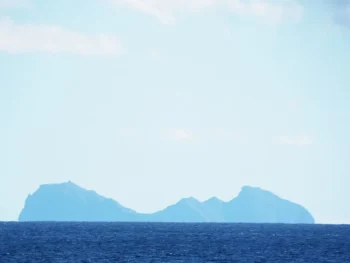
Brown’s Amaranth: A Critically Endangered Hawaiian Native Worth Protecting
Meet Brown’s amaranth (Amaranthus brownii), one of Hawaii’s most precious botanical treasures – and unfortunately, one of its most endangered. This humble annual plant might not win any beauty contests, but its story is a compelling reminder of why native plant conservation matters so much.
What Makes Brown’s Amaranth Special?
Brown’s amaranth is a forb – essentially a non-woody herbaceous plant that completes its entire life cycle in just one year. Don’t let its unassuming appearance fool you, though. This little plant is a true Hawaiian endemic, meaning it exists nowhere else on Earth except in the Hawaiian Islands.
As an annual, Brown’s amaranth grows from seed each year, living fast and reproducing before the season ends. It belongs to the amaranth family, which includes many species known for their resilience and adaptability – though this particular species clearly needs our help to survive.
Where Does Brown’s Amaranth Call Home?
This rare plant is found exclusively in Hawaii, where it clings to existence in just a handful of locations. Its native range is limited to the Hawaiian Islands, making it one of the state’s most geographically restricted species.
- Species observed
- No observations
A Critical Conservation Concern
Here’s where things get serious: Brown’s amaranth has a Global Conservation Status of S1, meaning it’s critically imperiled. In plain English, this plant is in serious trouble. With typically five or fewer known occurrences and very few remaining individuals (fewer than 1,000), it’s classified as Endangered.
This rarity status means that if you’re interested in this plant, you need to approach it with extreme care and responsibility. We’re not talking about your typical garden center purchase here.
Should You Grow Brown’s Amaranth?
The short answer is: probably not, unless you’re involved in serious conservation work. Here’s why:
- Extreme rarity: With so few plants left in the wild, every individual matters
- Specialized needs: This plant has evolved for specific Hawaiian conditions that are difficult to replicate elsewhere
- Conservation priority: Efforts should focus on protecting wild populations first
- Limited availability: Responsibly sourced material is extremely rare and typically reserved for conservation programs
If You’re Serious About Conservation
If you’re genuinely interested in helping conserve this species, here’s what you need to know:
Climate Requirements: Brown’s amaranth needs tropical to subtropical conditions, thriving only in USDA hardiness zones 10-12. Unless you live in Hawaii or a similarly warm climate year-round, outdoor cultivation isn’t feasible.
Growing Conditions: Like many Hawaiian natives, this plant likely prefers well-draining soils and plenty of sunshine. It’s adapted to the unique conditions of its island home.
Responsible Sourcing: Never, ever collect seeds or plants from wild populations. If you’re involved in legitimate conservation work, connect with Hawaiian botanical gardens, conservation organizations, or research institutions that may have ethically propagated material.
Better Alternatives for Your Garden
Instead of trying to grow this endangered species, consider supporting Hawaiian native plant conservation in other ways:
- Donate to organizations working to protect Hawaiian native plants
- If you live in Hawaii, choose other native plants for your landscape that aren’t critically endangered
- Support habitat protection efforts in Hawaii
- Learn about and share information about Hawaiian plant conservation
The Bigger Picture
Brown’s amaranth represents something bigger than just one small plant. It’s a symbol of Hawaii’s unique biodiversity and a reminder that island ecosystems are particularly vulnerable to extinction. Every species we lose is gone forever, taking with it millions of years of evolutionary history.
While you might not be able to grow Brown’s amaranth in your backyard, you can still play a role in its conservation by supporting the organizations and researchers working tirelessly to save it. Sometimes the best way to love a plant is to admire it from afar and ensure it has a future in its natural home.
After all, some treasures are too precious to take home – they’re meant to be protected where they belong.