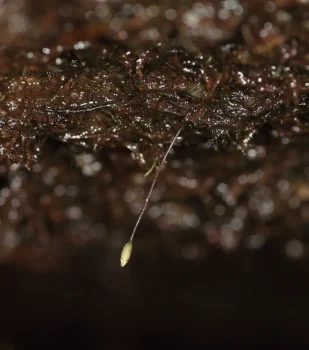
Brown’s Tetrodontium Moss: A Tiny North American Native Worth Knowing
Ever wondered about those tiny green cushions you spot clinging to rocks and rotting logs in the forest? Meet Brown’s tetrodontium moss (Tetrodontium brownianum), a fascinating little bryophyte that’s been quietly carpeting North America’s wild spaces for millennia. While you might not intentionally plant this moss in your garden, understanding its role in nature can help you appreciate the complex ecosystem right in your backyard.
What Exactly Is Brown’s Tetrodontium Moss?
Brown’s tetrodontium moss is a small, terrestrial bryophyte that belongs to the fascinating world of non-flowering plants. Unlike the flashy perennials that steal the show in most gardens, this humble moss does its work quietly, forming small, dense cushions or mats. You’ll often find it happily attached to rocks, fallen logs, or other solid surfaces rather than growing directly in soil.
This native North American species goes by the scientific name Tetrodontium brownianum, though it was once known as Tetraphis brownianum. Don’t let the name changes confuse you – it’s the same remarkable little moss that’s been thriving across the continent for ages.
Where You’ll Find This Native Beauty
Brown’s tetrodontium moss is a true North American native, making its home across a wide range of habitats throughout the continent. From the cool, misty forests of the Pacific Northwest to the rocky outcrops of eastern mountains, this adaptable moss has carved out its niche in the natural world.
Why This Moss Matters in Your Garden Ecosystem
While Brown’s tetrodontium moss might not be the star of your garden design, it plays several important supporting roles:
- Erosion control: Those tiny root-like structures help stabilize soil and prevent erosion on slopes and around rocks
- Moisture retention: Moss acts like a natural sponge, helping to maintain consistent moisture levels in the soil
- Habitat creation: Provides shelter and breeding grounds for countless tiny insects and other small creatures
- Natural beauty: Adds a soft, verdant carpet that enhances the woodland aesthetic
How to Identify Brown’s Tetrodontium Moss
Spotting this moss in the wild (or in your garden) is easier once you know what to look for:
- Size: Forms small, compact cushions typically less than an inch tall
- Color: Bright to dark green with distinctive brownish tips on the leaves
- Habitat: Look for it on rocks, decaying wood, or sometimes directly on soil in shaded areas
- Texture: Dense, cushion-like growth pattern rather than trailing or spreading
A Word About Conservation
Brown’s tetrodontium moss carries a Global Conservation Status of S3S4, which indicates it may be somewhat uncommon in certain areas. While it’s not critically endangered, this status reminds us to appreciate and protect the native mosses we encounter in our landscapes. If you’re lucky enough to have this species naturally occurring in your garden, consider it a sign of a healthy, balanced ecosystem.
Creating Moss-Friendly Conditions
Rather than trying to cultivate Brown’s tetrodontium moss directly, focus on creating conditions where native mosses can naturally establish themselves:
- Maintain shaded, moist areas in your garden
- Leave some fallen logs or rocks where mosses can colonize
- Avoid using chemical fertilizers or pesticides that might harm these delicate plants
- Be patient – mosses establish slowly but create lasting beauty
The Bottom Line
Brown’s tetrodontium moss might not be a plant you actively seek out for your garden center shopping list, but it’s definitely worth appreciating when you encounter it. This tiny native plays a big role in maintaining healthy ecosystems, and its presence often indicates that your garden is providing good habitat for a variety of native species. Next time you’re wandering through a shaded corner of your landscape, take a moment to look for these little green cushions – you might just discover a whole miniature world you never noticed before.