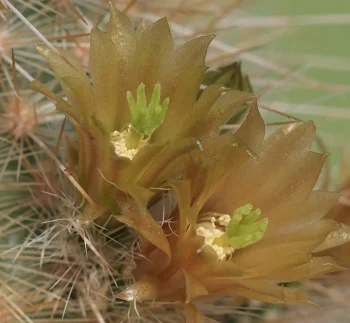
Brownspine Hedgehog Cactus: A Rare Texas Native Worth Growing
If you’re looking to add a touch of authentic Texas desert beauty to your landscape, the brownspine hedgehog cactus might just be the perfect addition to your garden. This charming little cactus packs a big punch with its colorful spines and stunning spring blooms, making it a standout choice for desert enthusiasts and native plant gardeners alike.
What Makes This Cactus Special?
The brownspine hedgehog cactus (Echinocereus russanthus) is a true Texas treasure – a perennial cactus that’s found nowhere else in the world except the Lone Star State. This little beauty forms small clusters of cylindrical stems, each adorned with distinctive reddish-brown to rust-colored spines that give the plant its common name.
But the real showstopper comes in spring when this modest cactus bursts into bloom with brilliant magenta-pink flowers that seem almost too large for the plant itself. These eye-catching blooms can reach up to 3 inches across and create a stunning contrast against the earthy tones of the spines.
Where Does It Come From?
This cactus is endemic to Texas, calling the Chihuahuan Desert region of West Texas its home. It’s specifically adapted to the unique conditions of this area, making it a perfect choice for gardeners wanting to showcase authentic regional flora.
- Species observed
- No observations
Important Conservation Note
Here’s something every responsible gardener should know: the brownspine hedgehog cactus has a conservation status that indicates it may be uncommon in the wild. If you’re interested in growing this special plant, please make sure to source it only from reputable nurseries that propagate their own plants rather than collecting from wild populations. This helps protect wild communities while still allowing you to enjoy this remarkable species.
Perfect for Desert Gardens
This cactus shines in several landscape settings:
- Rock gardens and xeriscapes
- Desert-themed landscapes
- Cactus and succulent collections
- Container gardens (perfect for small spaces!)
- Native plant gardens
Its compact size makes it an excellent accent plant that won’t overwhelm smaller spaces, while its clustering growth habit creates natural visual interest as it matures.
Growing Conditions
Like most cacti, the brownspine hedgehog has some non-negotiable requirements, but they’re pretty straightforward:
- Sunlight: Full sun is essential – at least 6-8 hours of direct sunlight daily
- Soil: Well-draining soil is absolutely critical; heavy clay or constantly moist soil will quickly kill this plant
- Water: Very low water requirements; drought tolerance is one of its superpowers
- Climate: Hardy in USDA zones 8b-10a, can handle some frost but not prolonged freezing
Planting and Care Tips
Success with brownspine hedgehog cactus comes down to mimicking its natural desert environment:
Soil preparation: If your native soil doesn’t drain well, consider creating a raised bed or adding plenty of coarse sand, perlite, and gravel to improve drainage. A 50/50 mix of regular potting soil and cactus mix works well for containers.
Watering wisdom: Less is definitely more! Water deeply but infrequently during the growing season (spring and summer), then reduce watering significantly in fall and winter. When in doubt, don’t water – this plant can handle drought much better than it can handle soggy roots.
Winter care: While reasonably cold-hardy, protect from excessive winter moisture. If you’re in a borderline zone, consider container growing so you can move the plant to a protected area during harsh weather.
Wildlife and Pollinator Benefits
Don’t let its spiny exterior fool you – this cactus is a pollinator magnet! The large, colorful flowers attract bees, butterflies, and even hummingbirds during blooming season. The plant also provides shelter for small desert creatures and can produce small fruits that wildlife may enjoy.
Is This Cactus Right for You?
The brownspine hedgehog cactus is perfect if you:
- Want to support native Texas wildlife
- Love low-maintenance plants
- Are creating a water-wise landscape
- Appreciate unique, conversation-starter plants
- Have excellent drainage in your garden
However, you might want to consider other options if you have heavy clay soil that you can’t amend, live in a very humid climate, or prefer plants that provide year-round color.
The Bottom Line
The brownspine hedgehog cactus offers a wonderful opportunity to grow a truly special piece of Texas heritage right in your own garden. With its stunning spring blooms, attractive spines, and important role in supporting local ecosystems, it’s a plant that gives back as much as it takes – which, thankfully, isn’t much at all! Just remember to source it responsibly and give it the well-draining conditions it craves, and you’ll have a unique conversation piece that celebrates the natural beauty of the American Southwest.