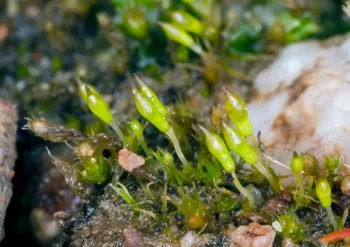
Bruchia Moss: A Tiny Native Treasure in Your Garden
Meet Bruchia flexuosa, commonly known as bruchia moss – one of nature’s smallest but most fascinating native plants. While you might not immediately think of moss when planning your garden, this tiny bryophyte plays a surprisingly important role in healthy ecosystems right here in North America.
What Exactly Is Bruchia Moss?
Bruchia moss belongs to the world of bryophytes – those ancient, non-flowering plants that include mosses, liverworts, and hornworts. Unlike the flashy perennials that steal the spotlight in most gardens, bruchia moss is a humble ground-dweller that prefers to attach itself to rocks, dead wood, or organic matter rather than growing directly in soil.
This little moss is completely herbaceous and stays close to the ground, making it easy to overlook unless you’re really paying attention. But don’t let its modest appearance fool you – it’s been quietly doing its job in North American ecosystems for ages!
Where You’ll Find This Native Moss
Bruchia flexuosa is native to North America, with confirmed populations in New Jersey and New York. If you live in the northeastern United States, there’s a good chance this tiny moss is already growing somewhere in your local area, even if you haven’t noticed it yet.
- Species observed
- No observations
Is Bruchia Moss Beneficial for Your Garden?
While bruchia moss won’t create the dramatic visual impact of a flowering shrub, it does offer some subtle but valuable benefits:
- Helps prevent soil erosion on slopes and disturbed areas
- Creates microhabitats for tiny soil organisms
- Adds to the overall biodiversity of your garden ecosystem
- Requires absolutely no maintenance once established
- Thrives in areas where other plants might struggle
Think of bruchia moss as nature’s quiet helper – it’s working behind the scenes to keep your garden’s ecosystem healthy and balanced.
How to Identify Bruchia Moss
Spotting bruchia moss takes a keen eye and perhaps a magnifying glass! Here’s what to look for:
- Extremely small size – we’re talking tiny, even by moss standards
- Forms small patches or scattered individuals rather than large carpets
- Grows on organic matter, dead wood, or rocks rather than directly in soil
- Produces small capsules (sporophytes) on very short stalks
- Prefers moist, shaded locations
You’re most likely to find it in woodland settings, around the base of trees, or in other naturally moist, protected areas of your garden.
Creating the Right Conditions
Here’s the thing about bruchia moss – you can’t really plant it in the traditional sense. This species appears naturally when conditions are just right, typically in USDA hardiness zones 5-8. If you want to encourage native mosses like bruchia to appear in your garden, focus on creating the conditions they love:
- Maintain moist, shaded areas
- Leave some dead wood or organic matter around
- Avoid using chemical fertilizers or pesticides
- Be patient – moss establishment takes time
A Word About Other Names
In botanical circles, you might also see bruchia moss referred to by its former scientific names, including Bruchia donnellii and Bruchia sullivantii. These are all the same species, just reflecting changes in how scientists classify plants over time.
The Bottom Line
Bruchia moss might not be the star of your garden show, but it’s definitely part of the supporting cast that makes the whole ecosystem work. If you’re lucky enough to spot this tiny native moss in your garden, consider it a sign that you’re providing good habitat for a variety of native species. And who knows? Once you start noticing the small wonders like bruchia moss, you might find yourself appreciating the incredible diversity that exists right under your feet!