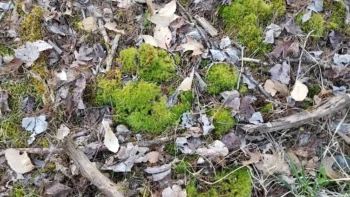
Bryoandersonia Moss: A Tiny Forest Gem Worth Knowing
Meet bryoandersonia moss, a petite and fascinating member of the bryophyte family that quietly goes about its business in the forests of the northeastern United States. While you might not intentionally plant this delicate moss in your garden, understanding what it is and recognizing its ecological value can deepen your appreciation for the intricate web of native species that make our ecosystems tick.
What Exactly Is Bryoandersonia Moss?
Bryoandersonia moss (Bryoandersonia illecebra) is a small, creeping moss that belongs to the fascinating world of bryophytes – those ancient, non-flowering plants that include mosses, liverworts, and hornworts. Unlike the plants we typically think of when gardening, this moss doesn’t have true roots, stems, or leaves in the conventional sense. Instead, it forms delicate, branching mats that hug close to surfaces like a living carpet.
You might also encounter this species listed under its scientific synonyms, including Cirriphyllum boscii or Cirriphyllum illecebrum, which reflect changes in botanical classification over time.
Where to Find This Native Moss
This charming moss is native to North America, with documented populations in New Jersey and New York. It’s a true regional specialist, making its home in the moist, shaded forests of the northeastern United States.
- Species observed
- No observations
Habitat and Growing Conditions
Bryoandersonia moss has some particular preferences when it comes to where it calls home:
- Decaying logs and fallen wood
- Tree bases and bark crevices
- Moist, shaded forest floors
- Acidic substrates
- High humidity environments
This moss thrives in USDA hardiness zones 4-7, where it can find the cool, consistently moist conditions it craves. It’s particularly fond of the microclimate created by decomposing wood, where it plays an important role in the forest’s nutrient cycling process.
How to Identify Bryoandersonia Moss
Spotting this moss requires a keen eye, as it’s quite small and unassuming. Look for these characteristics:
- Creeping growth pattern that forms thin mats
- Delicate, irregularly branching stems
- Bright green coloration when moist
- Fine, almost feathery texture
- Preference for growing on decaying wood rather than soil
The moss is most vibrant and noticeable after rain or in consistently humid conditions, when its green color is at its most brilliant.
Is Bryoandersonia Moss Beneficial in Gardens?
While you’re unlikely to find bryoandersonia moss for sale at your local nursery, its presence in natural areas and even occasionally in shaded, moist corners of naturalistic gardens can be quite beneficial:
- Provides microhabitat for tiny invertebrates and soil organisms
- Helps retain moisture in forest floor environments
- Contributes to nutrient cycling as it grows on decomposing wood
- Adds textural interest with its fine, delicate appearance
- Serves as an indicator of healthy, undisturbed forest ecosystems
Supporting Native Moss Communities
Rather than trying to cultivate this specific moss, the best way to support bryoandersonia moss and other native bryophytes is to:
- Preserve existing forest habitats where it naturally occurs
- Leave fallen logs and woody debris in woodland areas
- Maintain shaded, moist microclimates in naturalistic landscapes
- Avoid disturbing moss communities when hiking or working in forests
- Choose native plants for your garden that support overall ecosystem health
While bryoandersonia moss might not be the star of your garden show, it’s a fascinating example of the incredible diversity of native plants that make up our natural heritage. Next time you’re walking through a moist forest in New Jersey or New York, take a moment to look closely at those fallen logs – you might just spot this tiny native treasure quietly doing its part to keep the forest ecosystem healthy and thriving.