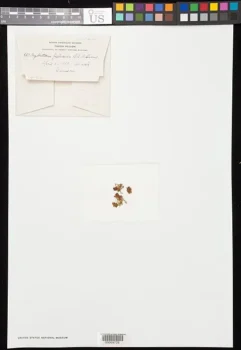
Bryobrittonia Moss: A Rare Native Bryophyte Worth Knowing
If you’ve ever wondered about the tiny green carpets that sometimes appear on rocks and fallen logs in North American forests, you might have encountered something truly special. Meet bryobrittonia moss (Bryobrittonia longipes), a fascinating little bryophyte that’s both beautiful and surprisingly important to our native ecosystems.
What Exactly Is Bryobrittonia Moss?
Bryobrittonia moss belongs to that wonderful world of bryophytes – the collective name for mosses, liverworts, and hornworts. These aren’t your typical garden plants, but rather some of nature’s most ancient and resilient organisms. Unlike flowering plants, bryobrittonia moss doesn’t have true roots, stems, or leaves. Instead, it creates delicate, herbaceous formations that attach themselves to solid surfaces like rocks, fallen logs, or even living tree bark.
This particular moss is a North American native, making it a legitimate part of our continent’s natural heritage. You might also see it referenced by its scientific synonym, Bryobrittonia pellucida, in older botanical texts.
Where Does It Call Home?
While bryobrittonia moss is native to North America, specific distribution details remain somewhat mysterious – which actually adds to its charm! Like many bryophytes, it tends to be quite particular about where it chooses to grow, often appearing in specialized microhabitats that provide just the right combination of moisture, shade, and substrate.
A Rare Find Indeed
Here’s where things get really interesting: bryobrittonia moss has a Global Conservation Status of S3S4, which puts it in the rare to uncommon category. This means it’s not something you’ll stumble across on every nature walk, making any encounter with this species particularly special.
If you’re lucky enough to spot what you think might be bryobrittonia moss in the wild, take photos but resist the urge to collect samples. Its rarity status means we should appreciate it where it grows naturally rather than attempting to relocate it to our gardens.
Is It Good for Gardens?
While bryobrittonia moss isn’t something you can typically purchase or cultivate like conventional garden plants, mosses in general can be wonderful additions to naturalistic landscapes. They:
- Help prevent soil erosion on slopes and rocky areas
- Create beautiful, soft textures that complement other native plants
- Require virtually no maintenance once established
- Provide habitat for tiny beneficial organisms
- Add year-round green interest to shaded areas
However, given its rarity status, bryobrittonia moss specifically should be left to thrive in its natural habitat rather than being introduced to home landscapes.
How to Identify Bryobrittonia Moss
Identifying specific moss species can be tricky even for experienced botanists, as many species look quite similar to the naked eye. Bryobrittonia moss, like other bryophytes, will appear as small, green, carpet-like growths. The key distinguishing features often require magnification to observe properly.
If you encounter what you suspect might be this rare moss, consider:
- Taking detailed photographs from multiple angles
- Noting the exact habitat conditions (substrate, moisture level, light conditions)
- Recording the location and date
- Contacting local botanical societies or universities for expert identification
Supporting Native Moss Communities
While you shouldn’t attempt to cultivate bryobrittonia moss specifically, you can support moss communities in general by:
- Maintaining shaded, moist areas in your landscape
- Avoiding the use of chemical treatments on hardscaping where mosses might establish
- Creating moss-friendly conditions with strategically placed rocks or logs
- Choosing native plants that create the dappled shade conditions mosses love
The Bottom Line
Bryobrittonia moss represents one of those hidden gems of the native plant world – small in stature but significant in its rarity and ecological role. While it’s not a species you’ll be adding to your garden shopping list, knowing about it enriches our understanding of the incredible diversity that exists right in our own backyards. The next time you’re out exploring North American woodlands, keep an eye out for the subtle beauty of our native bryophytes – you never know when you might spot something truly special!