Bryocaulon Lichen: A Hardy Arctic Beauty You Can’t Actually Grow
If you’ve stumbled across the name bryocaulon lichen while researching native plants, you might be wondering if this interesting organism could find a home in your garden. Well, here’s the thing about Bryocaulon divergens – it’s not actually a plant at all! This fascinating lichen is a remarkable example of nature’s partnerships, but it’s definitely not something you can add to your weekend garden center shopping list.
What Exactly Is Bryocaulon Lichen?
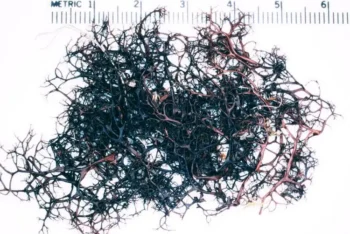
Bryocaulon divergens is a fruticose lichen, which means it grows in a shrub-like, three-dimensional form rather than as a flat crust on surfaces. Think of it as nature’s tiny sculpture garden – these lichens create intricate, branching structures that look almost like miniature coral or delicate winter trees.
As a lichen, Bryocaulon divergens is actually a symbiotic partnership between a fungus and an algae (or sometimes cyanobacteria). The fungus provides structure and protection, while the algae produces food through photosynthesis. It’s like the ultimate roommate situation that’s been working successfully for millions of years!
Where Does This Arctic Wonder Live?
This hardy lichen calls the coldest parts of North America home, thriving in Arctic and subarctic regions. You’ll find it in Alaska, northern Canada, and occasionally in high-elevation areas of western mountains where conditions mimic its preferred arctic environment.
How to Spot Bryocaulon Lichen in the Wild
If you’re lucky enough to visit arctic regions or high mountain areas, here’s what to look for:
- Grayish-green to whitish, branching structures that look like tiny shrubs
- Hollow, tube-like branches that fork and divide repeatedly
- Height typically ranging from 2-6 inches tall
- Growing on soil, rocks, or sometimes on the base of trees
- Often found in groups, creating miniature lichen forests
Is It Beneficial to Have Around?
While you can’t cultivate bryocaulon lichen in your backyard, it plays important roles in its native ecosystems:
- Helps prevent soil erosion in harsh arctic conditions
- Provides food for caribou and other arctic wildlife during winter months
- Acts as a natural air quality indicator – lichens are sensitive to pollution
- Contributes to soil formation over geological time scales
Why You Can’t Grow This in Your Garden
Here’s where we have to break some hearts – bryocaulon lichen isn’t something you can order online and plant in your perennial border. This arctic specialist requires:
- Extremely clean air (lichens are pollution-sensitive)
- Specific temperature ranges and seasonal patterns
- High humidity and particular moisture cycles
- Very slow growth rates measured in millimeters per year
- Specialized substrates and environmental conditions
Appreciating Arctic Beauty from Afar
While you can’t bring bryocaulon lichen to your garden, you can certainly appreciate its remarkable adaptations and important ecological role. If you’re interested in supporting lichen diversity, focus on maintaining clean air in your area and supporting conservation efforts in arctic regions where these amazing organisms thrive.
For your own native garden, consider other North American natives that can actually thrive in cultivated settings – your local native plant society can help you find beautiful alternatives that will support local wildlife while being much more cooperative about growing in your backyard!
The Bottom Line
Bryocaulon divergens is a fascinating example of nature’s ingenuity and partnership, perfectly adapted to some of the harshest conditions on Earth. While it won’t be joining your garden party anytime soon, knowing about these remarkable organisms helps us appreciate the incredible diversity of life that calls North America home – even in places where most of us would need several layers of winter gear just to visit!