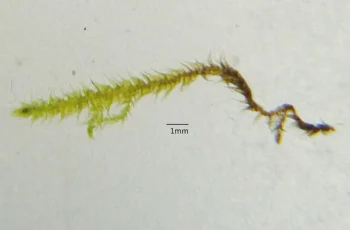
Bryohaplocladium Moss: A Small but Mighty Native Ground Hugger
Meet Bryohaplocladium moss (scientifically known as Bryohaplocladium angustifolium), a charming little native moss that’s quietly doing important work in North American ecosystems. While it might not win any flashy flower contests, this humble ground-dweller has earned its place in the natural world through sheer persistence and ecological value.
What Exactly Is Bryohaplocladium Moss?
This little green gem belongs to the fascinating world of mosses – those ancient, non-flowering plants that have been carpeting our planet for hundreds of millions of years. Unlike the plants you’re probably more familiar with, bryohaplocladium moss doesn’t have true roots, stems, or leaves. Instead, it’s perfectly designed as a terrestrial moss that loves to cling to solid surfaces.
You’re most likely to spot this moss making itself at home on:
- Rock surfaces and stone outcroppings
- Living tree bark
- Fallen logs and dead wood
- Other solid surfaces rather than soil
Where Does It Call Home?
Bryohaplocladium moss is a proud North American native, though the specific regions where it thrives aren’t fully documented in available resources. As a native species, it has co-evolved with local wildlife and environmental conditions over thousands of years.
Is This Moss Good for Your Garden?
Here’s where things get interesting! While you probably won’t be rushing to the nursery to pick up bryohaplocladium moss (it’s not exactly garden center material), having it show up naturally in your landscape is actually a wonderful thing. Mosses like this one are:
- Ecosystem indicators: Their presence often signals healthy, stable environmental conditions
- Erosion fighters: They help hold soil and prevent erosion on slopes and rocky areas
- Moisture managers: Mosses absorb and slowly release water, helping with natural water cycles
- Wildlife supporters: They provide microhabitats for tiny creatures and nesting material for birds
How to Identify Bryohaplocladium Moss
Spotting this particular moss can be tricky since it’s quite small and blends in with its surroundings. Here’s what to look for:
- Small, terrestrial moss growing on hard surfaces rather than soil
- Typically found attached to rocks, tree bark, or dead wood
- Forms low, carpet-like patches
- Bright green color when moist, potentially brownish when dry
Keep in mind that moss identification often requires close examination and sometimes even microscopic analysis, so don’t worry if you can’t definitively identify this species in the wild!
Should You Encourage It in Your Garden?
If bryohaplocladium moss decides to make itself at home in your garden naturally, consider yourself lucky! Rather than trying to cultivate it (which can be quite challenging), the best approach is to:
- Avoid disturbing areas where it’s growing
- Maintain natural moisture levels
- Resist the urge to clean up every bit of organic matter – mosses love those natural surfaces
- Appreciate it as part of your garden’s natural ecosystem
Remember, this tiny moss is part of North America’s natural heritage. By welcoming native species like bryohaplocladium moss into our landscapes, we’re supporting biodiversity and creating healthier, more resilient garden ecosystems. Sometimes the smallest plants make the biggest difference!