Bryum Moss: The Tiny Native Groundcover You Never Knew You Needed
Meet bryum moss (Bryum subapiculatum), one of North America’s native ground-huggers that’s been quietly doing its job long before fancy groundcovers became trendy. This diminutive moss might not grab headlines like flashy perennials, but it deserves a spot in the conversation about sustainable, low-maintenance landscaping.
What Exactly Is Bryum Moss?
Bryum moss belongs to that fascinating group of plants that botanists call bryophytes – essentially the plant world’s minimalists. These are terrestrial green plants that include mosses, liverworts, and hornworts. What makes them special? They’re always herbaceous (no woody stems here!) and have mastered the art of clinging to solid surfaces like rocks, fallen logs, or even living tree bark rather than rooting deep into soil like their flashier plant cousins.
You might occasionally see this moss listed under its synonym, Bryum microerythrocarpum, but don’t let the scientific names intimidate you – it’s the same humble little plant either way.
Where You’ll Find This Native Beauty
As a native North American species, bryum moss has been calling this continent home for ages. While specific distribution details can be tricky to pin down (mosses don’t exactly get the same mapping attention as oak trees), you can find various bryum species scattered across diverse habitats throughout North America.
Is Bryum Moss Good for Your Garden?
Here’s where bryum moss gets interesting for gardeners who think outside the traditional plant box. While it won’t give you showy flowers or dramatic foliage, this little moss offers some unique benefits:
- Provides natural ground cover in challenging spots where grass struggles
- Helps prevent soil erosion on slopes and rocky areas
- Creates habitat for tiny beneficial insects and other small creatures
- Adds texture and year-round green color to naturalistic garden designs
- Requires virtually no maintenance once established
Bryum moss thrives in moist, shaded conditions and seems perfectly content growing on various surfaces – from garden rocks to the north side of trees where other plants might sulk.
How to Spot Bryum Moss in the Wild
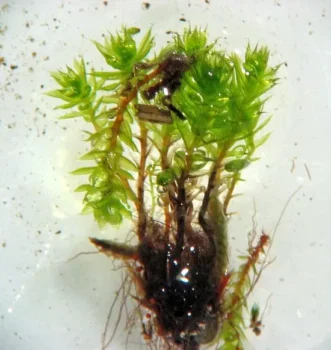
Identifying bryum moss takes a bit of detective work since many mosses look remarkably similar to the untrained eye. Look for small, cushion-forming colonies of tiny green plants with leaves so small you’ll need to get up close and personal to appreciate them. The moss typically forms dense, low mats that hug whatever surface they’re growing on.
Unlike flowering plants, bryum moss reproduces through spores rather than seeds, so don’t expect any blooms. Instead, you might notice tiny, almost microscopic structures called sporophytes during certain times of the year.
The Bottom Line for Gardeners
While you probably won’t find bryum moss at your local garden center (mosses generally aren’t sold commercially), you might discover it already growing in your garden’s shadier corners. If you’re lucky enough to have it, consider yourself blessed with a maintenance-free native groundcover that’s been perfecting its craft for millions of years.
For gardeners interested in sustainable, low-impact landscaping, learning to appreciate and work with existing moss populations like bryum moss can be a rewarding shift away from high-maintenance alternatives. Sometimes the best plants are the ones that have been quietly thriving in your garden all along.