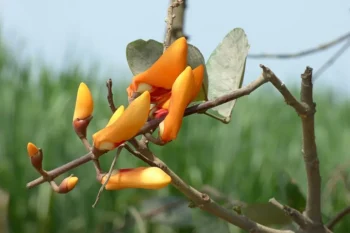
Bucayo Tree: A Striking Coral Tree for Tropical Gardens
If you’re looking for a show-stopping tree that brings tropical flair to your landscape, the bucayo tree (Erythrina fusca) might catch your eye. Also known by several other common names including Cape Kaffirboom, Kaffirboom, and lucky bean tree, this impressive coral tree is sure to make a statement in any garden big enough to accommodate its generous size.
Where Does Bucayo Come From?
Bucayo is native to the Pacific Basin region, though it has found its way to other tropical locations around the world. In U.S. territories, you’ll find it growing in Guam, Palau, Puerto Rico, and the Virgin Islands. However, it’s worth noting that in Puerto Rico and the U.S. Virgin Islands, bucayo is actually a non-native species that has naturalized and now reproduces on its own in the wild.
- Species observed
- No observations
What Makes Bucayo Special?
This perennial tree is a real showstopper when it blooms. The bucayo produces stunning coral-red to orange flowers that have an almost otherworldly appearance – they look a bit like sea coral, which is how coral trees got their name! The tree develops a broad, spreading canopy and can grow quite large, typically reaching heights greater than 13-16 feet, though under the right conditions it can grow much taller.
The compound leaves are made up of three leaflets, creating an attractive tropical foliage display even when the tree isn’t in bloom. As a facultative wetland plant in the Caribbean region, bucayo is quite adaptable and can handle both wetland and non-wetland conditions.
Is Bucayo Right for Your Garden?
Before you fall head over heels for this striking tree, consider whether it’s the right fit for your space and values:
- Space requirements: This is a large tree that needs plenty of room to spread its canopy
- Climate needs: Bucayo thrives in USDA hardiness zones 10-12, making it suitable only for tropical and subtropical climates
- Native plant considerations: If you prefer to support local ecosystems with native plants, you might want to explore indigenous alternatives that provide similar benefits
- Coastal tolerance: This tree handles salt spray well, making it excellent for coastal properties
Growing Bucayo Successfully
If you decide bucayo is right for your landscape, here’s how to help it thrive:
Ideal Growing Conditions
- Sunlight: Full sun exposure for best flowering and growth
- Soil: Well-draining soil is essential – this tree doesn’t like to have wet feet constantly
- Water: Regular watering while young, then drought tolerance develops with maturity
- Location: Choose a spot with room for the tree to reach its full size without interfering with structures or power lines
Planting and Care Tips
- Plant in spring or early summer when temperatures are consistently warm
- Water regularly during the first few years to establish a strong root system
- Prune after flowering if needed to maintain shape or remove dead branches
- Be patient – like many coral trees, bucayo may take several years to reach flowering maturity
Wildlife and Pollinator Benefits
The striking coral-red flowers aren’t just beautiful to human eyes – they’re also magnets for nectar-loving birds and various pollinators. If you enjoy watching wildlife in your garden, bucayo can be an excellent addition to support local bird populations.
The Bottom Line
Bucayo is undeniably gorgeous and can make a stunning focal point in large tropical and subtropical gardens. While it’s not native to all areas where it’s commonly grown, it’s not considered problematic either. If you have the space and climate for this impressive coral tree, and you appreciate its bold tropical beauty, bucayo could be a wonderful addition to your landscape. Just remember to give it plenty of room to shine!
For gardeners interested in supporting native ecosystems, consider researching native flowering trees in your area that might provide similar aesthetic appeal and wildlife benefits while supporting local biodiversity.