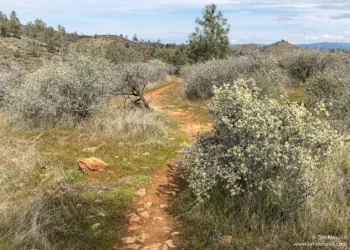
Buckbrush: The Unsung Hero of Drought-Tolerant Gardens
If you’re looking for a tough-as-nails native shrub that laughs in the face of drought while feeding pollinators and looking fabulous, let me introduce you to buckbrush (Ceanothus cuneatus var. cuneatus). This California and Oregon native might not win any beauty contests with its somewhat scraggly appearance, but don’t let that fool you – this hardy shrub is a garden champion that deserves serious consideration.
What Exactly Is Buckbrush?
Buckbrush is a perennial shrub that’s as native as they come, calling California and Oregon home for centuries. This multi-stemmed woody plant typically stays under 13-16 feet tall, making it a manageable addition to most landscapes. Don’t be surprised if you see it listed under different scientific names – it goes by several synonyms including Ceanothus cuneatus var. dubius and Ceanothus ramulosus, among others.
Where Does Buckbrush Call Home?
This resilient shrub naturally thrives throughout California’s chaparral regions and extends into southern Oregon. You’ll find it carpeting hillsides and dotting the landscape in areas where many other plants would simply give up and call it quits.
- Species observed
- No observations
Why Your Garden (and Local Wildlife) Will Love Buckbrush
Here’s where buckbrush really shines: it’s practically bulletproof once established. This shrub has evolved to handle California’s famously fickle weather patterns, making it an excellent choice for gardeners who want beautiful results without the constant fussing.
In spring, buckbrush transforms from a somewhat ordinary-looking shrub into a cloud of tiny white to pale blue flowers that pollinators absolutely adore. Bees, butterflies, and other beneficial insects flock to these blooms, making your garden a buzzing hub of activity.
Perfect Spots for Buckbrush in Your Landscape
Buckbrush excels in several garden situations:
- Mediterranean-style gardens where drought tolerance is key
- Native plant gardens celebrating local flora
- Xeriscapes and water-wise landscapes
- Hillside plantings where erosion control is needed
- Wildlife gardens focused on supporting local pollinators
Growing Buckbrush Successfully
The good news? Buckbrush is refreshingly low-maintenance once you understand its preferences. This shrub thrives in USDA hardiness zones 8-10, making it suitable for much of California and parts of the Pacific Northwest.
Light Requirements: Give buckbrush full sun for best flowering and overall health. It can tolerate some partial shade but won’t be as robust.
Soil Needs: Well-draining soil is absolutely essential. Buckbrush despises soggy feet and will quickly decline in heavy clay or poorly draining conditions. Sandy or rocky soils are perfect.
Water Wisdom: Here’s where buckbrush really shows off its California credentials – it’s incredibly drought-tolerant once established. During its first year, provide regular water to help it get settled, then gradually reduce watering. Mature plants typically thrive on natural rainfall alone.
Planting and Care Tips
Best Planting Time: Fall is ideal for planting buckbrush, giving it the entire cool, wet season to establish roots before facing its first summer heat.
Spacing: Give buckbrush room to spread – plan for its mature size when selecting a planting spot.
Pruning: If pruning is necessary, do it right after flowering ends. Buckbrush blooms on old wood, so late-season pruning will reduce next year’s flower show.
Fertilizing: Skip the fertilizer! Native plants like buckbrush are adapted to local soil conditions and typically don’t need supplemental feeding.
Is Buckbrush Right for Your Garden?
Buckbrush is an excellent choice if you’re looking to create a sustainable, low-water landscape that supports local wildlife. It’s particularly valuable for gardeners in fire-prone areas who need plants that won’t add to fuel loads while still providing habitat and beauty.
However, if you’re seeking a formal, highly manicured look, buckbrush might not be your best bet. Its natural growth habit is somewhat irregular and wild-looking – which is part of its charm if you appreciate that aesthetic.
With its combination of drought tolerance, pollinator appeal, and true native status, buckbrush proves that sometimes the best garden plants are the ones that have been quietly thriving in our landscapes all along. Give this unsung hero a chance, and you might just find yourself with a new favorite shrub.