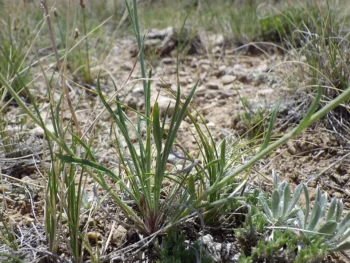
Buff Fleabane: A Rare Prairie Gem for Your Native Garden
If you’re looking to add a touch of understated elegance to your native plant collection, buff fleabane (Erigeron ochroleucus) might just be the perfect choice. This charming little perennial brings delicate beauty to prairie-style gardens while supporting local pollinators – though there are some important considerations every responsible gardener should know.
What Makes Buff Fleabane Special
Buff fleabane is a native North American wildflower that produces lovely daisy-like blooms in soft cream to white tones with sunny yellow centers. Each flower measures about half to three-quarters of an inch across, creating a subtle but cheerful display from late spring through summer. As a perennial forb, this herbaceous plant returns year after year, gradually forming small colonies that add gentle texture to naturalized plantings.
Where Buff Fleabane Calls Home
This native beauty has a somewhat limited natural range, growing wild in Alaska, Montana, Nebraska, and South Dakota. It’s perfectly adapted to the harsh conditions of the Great Plains and northern climates, making it an excellent choice for gardeners in these regions who want to celebrate their local flora.
- Species observed
- No observations
Important Conservation Considerations
Before you rush to add buff fleabane to your shopping list, here’s something crucial to know: this species has a Global Conservation Status of S2S3, indicating that it faces some conservation concerns in parts of its range. This doesn’t mean you shouldn’t grow it – in fact, cultivating native plants can help support conservation efforts – but it does mean you should be extra careful about sourcing.
Always purchase buff fleabane from reputable native plant nurseries that propagate their own stock rather than collecting from wild populations. Never collect seeds or plants from natural areas, as this can harm already vulnerable populations.
Perfect Spots for Buff Fleabane
Buff fleabane shines in:
- Prairie and meadow gardens
- Rock gardens and xeriscapes
- Native plant collections
- Naturalized landscape areas
- Pollinator gardens
Its low-growing habit makes it an excellent ground cover option, while its delicate flowers add subtle charm without overwhelming showier companions.
Growing Buff Fleabane Successfully
One of the best things about buff fleabane is that it’s refreshingly low-maintenance once established. Here’s what this prairie native needs to thrive:
Sun and Soil: Like most prairie plants, buff fleabane loves full sun and well-drained soil. It’s quite adaptable to different soil types but performs best in sandy or loamy conditions that don’t stay soggy.
Hardiness: This tough little plant handles cold beautifully, thriving in USDA zones 3-7. If you’re in its native range, you can count on it to survive your harshest winters.
Water Needs: Once established, buff fleabane is impressively drought tolerant. Water regularly during its first growing season, then step back and let nature take over. Overwatering is more likely to cause problems than underwatering.
Care Tips for Happy Plants
Buff fleabane is wonderfully low-fuss, but these simple care tips will keep it looking its best:
- Deadhead spent flowers to encourage continued blooming
- Allow some flowers to go to seed if you want the plant to self-sow
- Divide clumps every few years if they become overcrowded
- Avoid fertilizing – prairie plants prefer lean soils
- Mulch lightly around plants to suppress weeds
Supporting Pollinators and Wildlife
While buff fleabane may look delicate, it’s a pollinator powerhouse. Native bees, butterflies, and other beneficial insects flock to its nectar-rich flowers. The seeds also provide food for birds, making this plant a valuable addition to any wildlife-friendly garden.
Is Buff Fleabane Right for Your Garden?
Buff fleabane is an excellent choice if you’re gardening in its native range and want to support local ecosystems with a beautiful, low-maintenance perennial. Its conservation status makes it extra special – you’ll be growing something truly unique while potentially helping preserve genetic diversity.
Just remember to source responsibly, be patient as it establishes (prairie plants often take a season or two to really hit their stride), and give it the sunny, well-drained conditions it craves. With minimal effort on your part, buff fleabane will reward you with years of subtle beauty and pollinator activity.
For gardeners outside its native range, consider exploring your local native fleabanes and asters, which will provide similar ecological benefits while being better adapted to your specific climate and soil conditions.