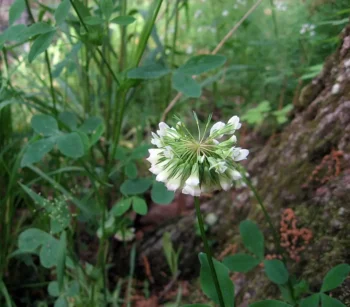
Buffalo Clover: A Charming Native Wildflower for Your Garden
If you’re looking to add a touch of prairie charm to your garden while supporting local pollinators, buffalo clover (Trifolium reflexum) might just be the perfect addition. This delightful native wildflower brings both beauty and ecological value to landscapes across much of the United States.
What is Buffalo Clover?
Buffalo clover is a native annual and biennial forb that belongs to the legume family. Unlike its more common cousin, white clover, buffalo clover has a distinctly wild character that makes it a standout choice for naturalistic gardens. As a forb, it’s an herbaceous plant without woody stems, relying on its ground-hugging growth habit to spread and thrive.
Where Buffalo Clover Grows Naturally
This charming wildflower is native to a broad swath of the United States, naturally occurring in states from Alabama and Arkansas in the south, stretching north through the Midwest to Iowa and Illinois, and reaching east to the Atlantic coast through states like Virginia, Pennsylvania, and New York. It’s also found in Ontario, Canada, though it’s considered a non-persistent introduction there.
- Species observed
- No observations
Why Consider Buffalo Clover for Your Garden?
Buffalo clover offers several compelling reasons to include it in your landscape:
- Pollinator magnet: The small pink to purple flower heads attract bees, butterflies, and other beneficial insects
- Low maintenance: Once established, it requires minimal care and can self-seed for future seasons
- Native plant benefits: Supports local ecosystems and wildlife as part of its natural habitat
- Drought tolerance: Well-adapted to various soil conditions, including poorer soils
- Ground cover potential: Its low-growing habit makes it useful for filling in spaces naturally
Growing Conditions and Care
Buffalo clover is refreshingly easy to grow, thriving in USDA hardiness zones 4 through 9. Here’s what this adaptable native prefers:
- Sunlight: Full sun to partial shade
- Soil: Well-drained soils, tolerates poor and sandy conditions
- Water: Moderate moisture, drought tolerant once established
- Maintenance: Minimal care required after establishment
Planting and Care Tips
Getting buffalo clover established in your garden is straightforward:
- Direct sow seeds in fall or early spring for best germination
- Scatter seeds over prepared soil and lightly rake in
- Keep soil consistently moist until germination occurs
- Allow plants to self-seed for naturalized colonies
- No fertilization needed – like other legumes, it fixes its own nitrogen
Perfect Garden Settings
Buffalo clover shines in several garden styles:
- Prairie gardens: Essential component of authentic prairie restorations
- Wildflower meadows: Adds delicate texture and color variety
- Native plant gardens: Provides authentic regional character
- Pollinator gardens: Valuable nectar source throughout growing season
- Naturalized areas: Perfect for low-maintenance, wild-looking spaces
A Note on Conservation
While buffalo clover has a broad native range, like many native wildflowers, it faces habitat pressures from development and agricultural conversion. By growing this species in your garden, you’re helping preserve genetic diversity and providing habitat for the creatures that depend on it.
The Bottom Line
Buffalo clover offers gardeners a wonderful opportunity to grow a truly native plant that’s both beautiful and beneficial. Its undemanding nature, ecological value, and charming appearance make it an excellent choice for anyone looking to create a more sustainable, wildlife-friendly landscape. Whether you’re establishing a prairie garden or simply want to add some native character to your yard, buffalo clover delivers both form and function with minimal fuss.