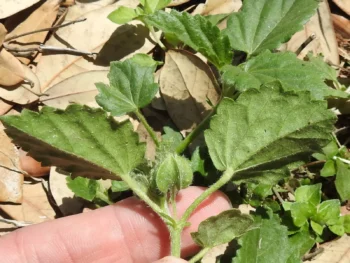
Buffpetal: A Hardy Native Wildflower for Southwestern Gardens
Meet buffpetal (Rhynchosida physocalyx), a charming native wildflower that’s been quietly thriving in the American Southwest long before anyone thought to call it a garden plant. This unassuming perennial forb might not win any flashy flower contests, but it’s got something better going for it – it’s perfectly adapted to life in challenging climates and provides genuine value to local wildlife.
What Makes Buffpetal Special?
Buffpetal is a true native of the lower 48 states, calling Arizona, New Mexico, Oklahoma, and Texas home. You might also see it listed under its former scientific name, Sida physocalyx, but don’t let the name changes fool you – this is the same reliable plant that’s been supporting southwestern ecosystems for generations.
- Species observed
- No observations
As a perennial forb, buffpetal returns year after year without the woody stems of shrubs or trees. Instead, it maintains a low-growing, herbaceous form that fits perfectly into naturalized landscapes and native plant gardens.
Why Plant Buffpetal in Your Garden?
Here’s where buffpetal really shines – it’s a multitasker that benefits both your garden and local wildlife:
- Wildlife magnet: Large grazing animals rely on buffpetal for 5-10% of their diet, making it an important food source in native habitats
- Pollinator support: The small, buff-colored flowers attract native bees and other beneficial insects
- Low maintenance: Once established, this drought-tolerant native requires minimal care
- Regional authenticity: Perfect for creating landscapes that reflect the natural character of the Southwest
Growing Conditions and Care
Buffpetal thrives in USDA hardiness zones 7-10, making it suitable for most of its native range. Here’s what this adaptable native needs to flourish:
- Sunlight: Full sun to partial shade
- Soil: Well-drained soils; tolerates poor, rocky, or sandy conditions
- Water: Drought tolerant once established; avoid overwatering
- Maintenance: Minimal care required; may self-seed in favorable conditions
Garden Design Ideas
Buffpetal works beautifully in several garden styles:
- Native plant gardens: Combines well with other southwestern natives
- Xeriscaping: Perfect for water-wise landscapes
- Naturalized areas: Excellent for creating meadow-like spaces
- Wildlife gardens: Essential for supporting native fauna
The Bottom Line
Buffpetal may not be the showiest plant in your garden, but it’s definitely one of the most dependable and ecologically valuable. If you’re gardening in the Southwest and want to create a landscape that truly belongs in your region while supporting local wildlife, this native wildflower deserves a spot in your plans. Plus, you can’t beat a plant that asks for almost nothing and gives back so much – that’s the kind of garden partner we all need more of!