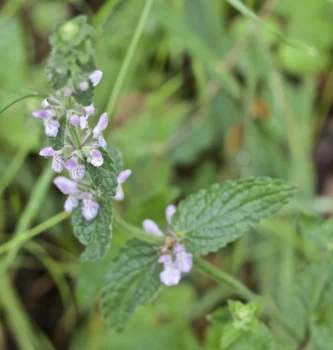
Bugle Hedgenettle: A California Native Perfect for Wet Gardens
If you’re looking for a California native plant that thrives in consistently moist conditions, meet bugle hedgenettle (Stachys ajugoides). This lesser-known perennial might not be the flashiest plant in the garden center, but it has some unique qualities that make it worth considering for the right spot in your landscape.
What is Bugle Hedgenettle?
Bugle hedgenettle is a perennial forb – essentially a non-woody plant that comes back year after year. As a member of the mint family (though don’t expect it to flavor your tea!), it shares some characteristics with its more famous cousins but has its own distinct personality. This California native has adapted specifically to wetland environments, making it a specialist rather than a generalist.
Where Does It Call Home?
This plant is a true California endemic, meaning it naturally occurs only in the Golden State. Its native range is limited to California, where it has evolved to thrive in the state’s unique wetland ecosystems.
- Species observed
- No observations
Why Choose Bugle Hedgenettle for Your Garden?
Here’s where bugle hedgenettle really shines – it’s an obligate wetland plant, which means it almost always occurs in wetlands. This makes it perfect for:
- Rain gardens that collect runoff
- Pond edges and water feature plantings
- Naturally boggy areas in your yard
- Native plant gardens focused on wetland species
- Conservation projects restoring wetland habitats
As a native California plant, it supports local ecosystems and requires no fertilizers or amendments once established in the right conditions.
Growing Conditions and Care
The key to success with bugle hedgenettle is understanding its wetland nature. This isn’t a plant for your average garden bed – it needs consistently moist to wet soil conditions to thrive.
Ideal growing conditions include:
- Consistently moist to saturated soils
- Areas that naturally collect water
- Full sun to partial shade (typical for wetland plants)
- Clay or other moisture-retentive soil types
Since specific care information for this species is limited, it’s best to mimic its natural wetland habitat. Think of areas near streams, seasonal pools, or marshy ground – that’s where this plant feels most at home.
Is This Plant Right for Your Garden?
Bugle hedgenettle isn’t for everyone, and that’s okay! Consider this plant if:
- You have a consistently wet area in your landscape
- You’re creating a native California plant garden
- You’re interested in wetland restoration or rain garden projects
- You want to support local ecosystems with native plants
Skip this plant if:
- Your garden has typical, well-draining soil
- You’re looking for a drought-tolerant California native
- You don’t have access to consistent moisture
The Bottom Line
Bugle hedgenettle is a specialist plant for specialist situations. While it won’t work in every garden, it’s potentially perfect for gardeners dealing with wet areas or those interested in creating authentic California wetland habitats. As with any native plant, sourcing from reputable native plant nurseries ensures you’re getting the real deal and supporting conservation efforts.
If you have a soggy spot in your yard that you’ve been struggling to plant, bugle hedgenettle might just be the California native solution you’ve been looking for!