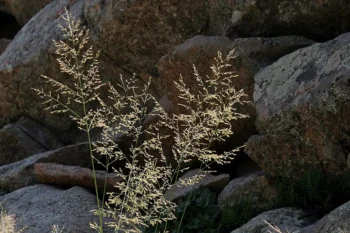
Bulb Panicgrass: A Southwestern Native Grass Worth Growing
If you’re looking for a drought-tolerant native grass that brings both beauty and ecological benefits to your southwestern garden, meet bulb panicgrass (Panicum bulbosum). This charming perennial grass might not be the flashiest plant in the garden center, but it’s a reliable workhorse that deserves serious consideration for water-wise landscapes.
What Is Bulb Panicgrass?
Bulb panicgrass is a native perennial grass that belongs to the Poaceae family. You might occasionally see it listed under its botanical synonyms Panicum plenum or Panicum bulbosum var. minor, but they’re all referring to the same wonderful plant. This grass is a true southwestern native, having evolved specifically in the climate and soils of the American Southwest.
Where Does It Grow Naturally?
This grass calls the southwestern United States home, naturally occurring in Arizona, New Mexico, Texas, and Utah. It’s perfectly adapted to the challenging conditions of these regions, from intense summer heat to periodic drought and alkaline soils.
- Species observed
- No observations
Why Grow Bulb Panicgrass in Your Garden?
There are several compelling reasons to consider adding this native grass to your landscape:
- Water-wise choice: Once established, it requires minimal irrigation
- Low maintenance: This tough grass thrives with little fuss
- Wildlife friendly: Provides seeds for birds and habitat for beneficial insects
- Authentic southwestern look: Adds natural character to native plant gardens
- Versatile landscaping: Works well as an accent grass or in naturalized areas
Garden Design and Landscaping Uses
Bulb panicgrass shines in drought-tolerant gardens and xeriscaping projects. Its fine texture and attractive seed heads make it an excellent choice for:
- Native plant gardens
- Prairie-style landscapes
- Water-wise residential landscapes
- Naturalized areas where you want a wild look
- Mixed plantings with other southwestern natives
The grass works beautifully as an accent plant, providing textural contrast when planted alongside broader-leafed desert plants like agaves or prickly pear cacti.
Growing Conditions and Care
One of the best things about bulb panicgrass is how easy it is to grow, provided you give it conditions similar to its native habitat:
Sunlight: Full sun is essential for healthy growth and flowering
Soil: Well-draining soil is crucial. This grass tolerates poor, rocky, or sandy soils but will struggle in heavy clay or waterlogged conditions
Water: Drought tolerant once established, though occasional deep watering during extreme drought will keep it looking its best
Climate: Hardy in USDA zones 7-10, making it suitable for most southwestern gardens
Planting and Establishment Tips
Getting bulb panicgrass off to a good start is straightforward:
- Timing: Plant in fall or early spring for best establishment
- Spacing: Allow adequate room for the grass to form its natural clumping habit
- Watering: Provide regular water the first growing season, then reduce as the plant establishes
- Mulching: A light mulch of gravel or small stones works better than organic mulch in most southwestern climates
Benefits for Pollinators and Wildlife
While bulb panicgrass may not produce showy flowers like some plants, it offers valuable resources for local wildlife. The seeds provide food for birds, particularly seed-eating species common in the Southwest. The grass structure also creates habitat for beneficial insects and small wildlife.
Is Bulb panicgrass Right for Your Garden?
This native grass is an excellent choice if you:
- Live in the southwestern United States (Arizona, New Mexico, Texas, or Utah)
- Want to create a water-wise landscape
- Appreciate the subtle beauty of native grasses
- Desire low-maintenance plants
- Want to support local wildlife
However, it might not be the best fit if you prefer high-water ornamental landscapes or live outside its natural climate range.
The Bottom Line
Bulb panicgrass may not win any flashy flower awards, but it’s a solid, reliable choice for southwestern gardeners who want to work with nature rather than against it. This native grass brings authenticity, sustainability, and quiet beauty to any landscape lucky enough to host it. In a world where water conservation is increasingly important, plants like bulb panicgrass represent the future of smart, responsible gardening.