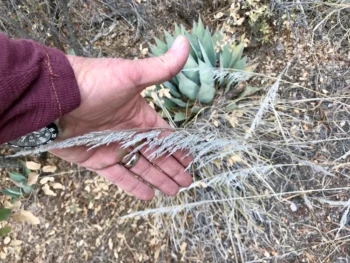
Bullgrass: A Resilient Native Grass for Southwestern Gardens
If you’re looking for a tough, drought-tolerant grass that’s perfectly at home in the American Southwest, let me introduce you to bullgrass (Muhlenbergia emersleyi). This native perennial grass might not be the flashiest plant in your garden, but what it lacks in drama, it more than makes up for in resilience and ecological value.
What Is Bullgrass?
Bullgrass is a native perennial grass that belongs to the diverse Muhlenbergia genus. You might also see it listed under its synonym, Muhlenbergia gooddingii, in older gardening references. As a true native species, bullgrass has been quietly thriving in American landscapes long before any of us started thinking about water-wise gardening.
Where Does Bullgrass Call Home?
This hardy grass is native to the lower 48 states, with populations primarily found in Arizona, New Mexico, and Texas, plus some interesting disjunct populations as far east as North Carolina. This wide but scattered distribution tells us that bullgrass is adaptable, but it definitely has its preferences when it comes to climate and growing conditions.
- Species observed
- No observations
Why Consider Bullgrass for Your Garden?
Here’s where bullgrass really shines. As a native species, it’s perfectly adapted to local conditions, which means:
- Excellent drought tolerance once established
- Low maintenance requirements
- Natural resistance to local pests and diseases
- Provides ecological benefits to local wildlife
- Adds authentic regional character to your landscape
The fine-textured foliage creates an attractive backdrop for showier native wildflowers, and its seeds provide food for local bird species. It’s the kind of plant that works quietly behind the scenes to support your local ecosystem.
A Word About Rarity
Before you rush out to find bullgrass, there’s something important to know. This species has a Global Conservation Status that suggests it may be uncommon in parts of its range. If you’re interested in growing bullgrass, please make sure you source it from reputable native plant nurseries that propagate their own stock rather than wild-collecting. This helps protect wild populations while still allowing you to enjoy this wonderful grass in your garden.
Perfect Garden Settings for Bullgrass
Bullgrass is ideal for:
- Xerophytic or drought-tolerant garden designs
- Native plant gardens celebrating regional flora
- Naturalistic landscapes that mimic local habitats
- Low-water-use gardens in arid climates
- Wildlife gardens focused on supporting native species
Growing Bullgrass Successfully
The good news is that bullgrass isn’t particularly fussy once you understand its basic needs. Based on its native range, it likely thrives in USDA hardiness zones 7-10, though local microclimates can extend or limit this range.
Site Selection
Choose a location with well-draining soil – bullgrass definitely doesn’t appreciate wet feet. Full sun to partial sun exposure works best, mimicking the open habitats where it naturally occurs.
Planting and Establishment
Plant bullgrass in spring or early fall when temperatures are moderate. Give new plantings regular water during their first growing season to help establish a strong root system. After that, you can gradually reduce watering as the plant becomes drought-tolerant.
Ongoing Care
Once established, bullgrass is refreshingly low-maintenance. It may benefit from occasional deep watering during extended dry periods, but avoid overwatering. You can cut it back in late winter before new growth begins if you prefer a tidy appearance, though many gardeners enjoy leaving the seed heads for winter interest and wildlife food.
The Bottom Line
Bullgrass might not be the most glamorous choice for your garden, but it’s exactly the kind of reliable, ecologically valuable plant that forms the backbone of great native gardens. If you’re gardening in its native range and want a grass that truly belongs in your landscape, bullgrass deserves serious consideration. Just remember to source it responsibly, and you’ll have a beautiful, sustainable addition to your garden that celebrates the natural heritage of your region.