Bull’s Coraldrops: A Rare Prairie Gem Worth Protecting in Your Garden
If you’re looking for a unique native wildflower that blooms early in the season and supports local ecosystems, Bull’s coraldrops (Besseya bullii) might just be the perfect addition to your prairie or native plant garden. This charming little perennial is one of those special plants that reminds us why preserving our native flora is so important.
What Makes Bull’s Coraldrops Special?
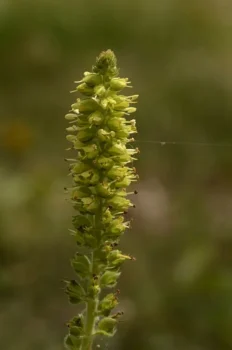
Bull’s coraldrops is a low-growing perennial that forms neat rosettes of leaves close to the ground. In early spring, it sends up delicate spikes of small, white to pale blue flowers that create a subtle but lovely display. The flowers have an almost coral-like appearance when viewed up close, which explains the coraldrops part of its common name.
This native wildflower is also known by its botanical name Besseya bullii, and you might occasionally see it listed under older scientific names like Synthyris bullii or Wulfenia bullii.
Where Bull’s Coraldrops Calls Home
Bull’s coraldrops is native to the Great Lakes region and upper Midwest, naturally occurring in Illinois, Indiana, Iowa, Michigan, Minnesota, Ohio, and Wisconsin. It’s perfectly adapted to the prairie conditions of these states, making it an excellent choice for gardeners in these areas who want to support local ecosystems.
- Species observed
- No observations
A Plant That Needs Our Help
Here’s something important to know about Bull’s coraldrops: it’s considered vulnerable, with a Global Conservation Status of S3. This means it’s rare throughout its range, with typically only 21 to 100 known occurrences. If you’re interested in growing this beautiful native, please make sure to source it responsibly from reputable native plant nurseries that propagate their own stock rather than wild-collecting.
Why Grow Bull’s Coraldrops?
There are several compelling reasons to include this rare beauty in your garden:
- It’s an early bloomer, providing nectar for small native bees and flies when few other flowers are available
- It supports local biodiversity and helps preserve a vulnerable native species
- It’s low-maintenance once established and doesn’t require frequent watering or fertilizing
- It adds unique texture and interest to prairie gardens and naturalized areas
- It’s perfectly adapted to local climate conditions in its native range
Growing Conditions and Care
Bull’s coraldrops thrives in conditions similar to its natural prairie habitat. It prefers well-drained soils and can handle both full sun and partial shade, though it tends to bloom best with good light exposure. This hardy perennial is suitable for USDA hardiness zones 3-7, making it quite cold-tolerant.
The key to success with Bull’s coraldrops is mimicking its natural environment. It appreciates:
- Well-drained, moderately fertile soil
- Full sun to partial shade
- Consistent but not excessive moisture
- Minimal disturbance once established
Garden Design Ideas
Bull’s coraldrops works wonderfully in prairie-style gardens, native plant borders, and naturalized areas. Its low-growing habit makes it an excellent groundcover for the front of perennial beds or along pathways. Pair it with other native prairie plants like wild bergamot, purple coneflower, or native grasses for an authentic prairie feel.
Because it blooms early in the season, it’s particularly valuable in spring gardens where it can provide color and pollinator resources before many other plants wake up from winter dormancy.
Planting and Care Tips
Once established, Bull’s coraldrops is relatively low-maintenance. Here are some tips for success:
- Plant in spring or fall when temperatures are moderate
- Water regularly the first year to help establish a strong root system
- Avoid disturbing the roots once the plant is established
- Allow the foliage to die back naturally in fall
- Mulch lightly in winter for protection in colder zones
A Responsible Choice for Conservation-Minded Gardeners
By choosing to grow Bull’s coraldrops in your garden, you’re doing more than just adding a pretty flower – you’re participating in conservation. Every responsibly grown plant helps ensure this vulnerable species has a future, while also supporting the pollinators and wildlife that depend on native plants.
Just remember to source your plants from reputable nurseries that propagate rather than wild-collect, and consider sharing seeds or divisions with other native plant enthusiasts to help spread this wonderful species responsibly.