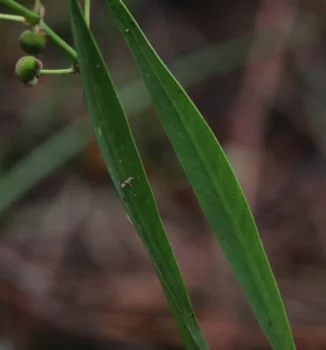
Bulltongue Arrowhead: A Native Wetland Wonder for Your Water Garden
If you’re looking to add some authentic American charm to your water feature or rain garden, meet the bulltongue arrowhead (Sagittaria lancifolia media) – a delightful native perennial that’s been gracing our southeastern wetlands long before any of us were around to admire it!
What Makes Bulltongue Arrowhead Special?
This charming native forb is one of those plants that proves Mother Nature knows best when it comes to design. As a member of the arrowhead family, bulltongue arrowhead brings that distinctive aquatic elegance that only comes from millions of years of evolution in wetland environments.
Unlike woody plants that develop thick, bark-covered stems, bulltongue arrowhead is what botanists call a forb – essentially a soft-stemmed perennial herb that dies back to the ground each winter and returns fresh each spring. Think of it as nature’s own renewable water garden centerpiece!
Where Does It Call Home?
Bulltongue arrowhead is a true southern belle, naturally occurring across the southeastern United States. You’ll find this beauty thriving in Alabama, Delaware, Florida, Georgia, Louisiana, Maryland, Mississippi, North Carolina, Oklahoma, South Carolina, Texas, and Virginia. That’s quite a range for a plant that knows exactly what it likes!
- Species observed
- No observations
Why Your Garden (and Local Wildlife) Will Love It
Here’s where bulltongue arrowhead really shines as a garden choice:
- It’s authentically native: When you plant this species, you’re supporting the local ecosystem with a plant that belongs here
- Low maintenance: As a perennial, it comes back year after year without replanting
- Specialized habitat plant: Perfect for those tricky wet spots where other plants struggle
- Natural water filtration: Like many wetland plants, it helps improve water quality
- Seasonal interest: Provides changing beauty throughout the growing season
Perfect Garden Settings
Bulltongue arrowhead isn’t your typical border perennial – it’s a specialist that excels in specific situations:
- Water gardens and ponds: Ideal for shallow water areas or pond edges
- Rain gardens: Excellent choice for managing stormwater runoff
- Bog gardens: Thrives in consistently moist, marshy conditions
- Native plant gardens: Perfect for authentic regional landscaping
- Wildlife gardens: Great for attracting birds and supporting aquatic ecosystems
Growing Your Bulltongue Arrowhead Successfully
The secret to success with bulltongue arrowhead is simple: think like a wetland! This plant has evolved to love what most garden plants hate – wet feet and fluctuating water levels.
Water Requirements: This is where bulltongue arrowhead gets picky in the best possible way. It needs consistent moisture to standing water. If you’re trying to grow it in a regular garden bed, you’re fighting nature. Embrace the wetland theme instead!
Soil Preferences: Naturally adapted to wetland soils, which tend to be rich in organic matter but may be periodically waterlogged. Heavy clay soils that stay moist work well, as do amended soils in constructed water features.
Light Needs: Like most wetland plants, bulltongue arrowhead typically performs best with good light exposure, though it can adapt to various conditions.
Planting and Care Tips
- Location is everything: Choose a spot that stays consistently moist or can accommodate standing water
- Spring planting: Best planted in spring when water levels are typically more predictable
- Give it space: Allow room for natural spreading – this isn’t a plant for tight quarters
- Minimal fertilizing: Wetland plants are adapted to nutrient-rich environments, so avoid over-fertilizing
- Winter care: As a perennial, it will die back in winter and return in spring – this is completely normal!
Is Bulltongue Arrowhead Right for Your Garden?
Here’s the honest truth: bulltongue arrowhead isn’t for every garden or every gardener. If you have typical garden conditions with well-draining soil and are looking for a low-water plant, this isn’t your match.
But if you have a water feature, persistent wet spot, or are creating a rain garden, bulltongue arrowhead could be exactly what you’re looking for. It’s a chance to work with nature rather than against it, supporting native ecosystems while solving challenging garden conditions.
Remember, successful gardening isn’t about forcing the wrong plant into the wrong spot – it’s about finding the perfect plant for your specific conditions. For the right location, bulltongue arrowhead offers years of low-maintenance, authentic native beauty that connects your landscape to the natural heritage of the southeastern United States.