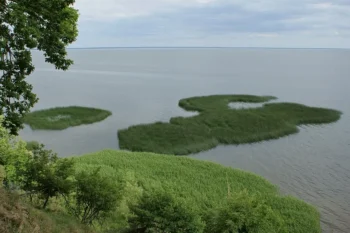
Bulrush: The Unsung Hero of Wetland Gardens
If you’ve ever wandered near a pond, marsh, or wetland area, chances are you’ve encountered bulrush without even knowing it. These tall, elegant grass-like plants might not win any flashy flower contests, but they’re absolute champions when it comes to creating sustainable, wildlife-friendly gardens. Let’s dive into why Schoenoplectus, commonly known as bulrush, deserves a spot in your landscape—especially if you’re dealing with wet or boggy areas that leave other gardeners scratching their heads.
What Exactly Is Bulrush?
Bulrush belongs to the sedge family (Cyperaceae) and is characterized by its distinctive cylindrical stems and small, clustered flowers. Don’t let the humble appearance fool you—these plants are both annual and perennial powerhouses that can adapt to various growing conditions while providing incredible ecological benefits.
Where Bulrush Calls Home
Talk about a well-traveled plant! Bulrush is native to an impressive range of locations across North America, including Alaska, Canada, Puerto Rico, St. Pierre and Miquelon, the U.S. Virgin Islands, and the Pacific Basin. You’ll find various species growing naturally from Alberta to Alabama, from British Columbia to Florida, and just about everywhere in between—including all the way up to the Northwest Territories and down to Guam.
- Species observed
- No observations
Why Your Garden Will Love Bulrush
Here’s where bulrush really shines as a garden companion:
- Wetland warrior: Perfect for rain gardens, pond margins, and those perpetually soggy spots where other plants struggle
- Low maintenance: Once established, bulrush pretty much takes care of itself
- Wildlife magnet: Provides nesting material and habitat structure for birds and small mammals
- Natural filter: Helps clean water by absorbing excess nutrients and pollutants
- Erosion control: Those spreading rhizomes help stabilize soil around water features
The Perfect Bulrush Garden
Bulrush isn’t your typical perennial border plant—it’s got bigger ambitions! These plants are tailor-made for:
- Rain gardens and bioswales
- Pond and water garden edges
- Wetland restoration projects
- Naturalistic landscapes
- Areas with poor drainage
- Wildlife habitat gardens
Growing Bulrush Successfully
The beauty of bulrush lies in its adaptability. Most species thrive in USDA hardiness zones 3-9, making them suitable for a wide range of climates. Here’s what they love most:
Growing Conditions:
- Moisture: Wet to consistently moist soil (think bog-like conditions)
- Light: Full sun to partial shade
- Soil: Tolerates various soil types, from clay to sandy loam
- pH: Generally adaptable to different pH levels
Planting and Care Tips
Getting bulrush established is refreshingly straightforward:
- Spring planting: Start seeds or plant divisions after the last frost
- Water deeply: Keep soil consistently moist, especially during establishment
- Space generously: These plants can spread via rhizomes, so give them room to grow
- Minimal fertilizing: Native plants typically don’t need extra nutrients
- Natural spreading: Allow the plant to form colonies for maximum impact
A Few Things to Consider
While bulrush is generally well-behaved, keep these points in mind:
- Can spread aggressively in ideal conditions—perfect for naturalized areas, but maybe not for formal gardens
- Dies back in winter in colder climates (but returns reliably each spring)
- May self-seed readily in optimal growing conditions
The Bottom Line
If you’ve got a wet spot in your landscape that’s been giving you trouble, bulrush might just be your new best friend. This native plant offers an elegant, low-maintenance solution for challenging growing conditions while supporting local wildlife and improving water quality. Sure, it might not have showy flowers, but sometimes the most beautiful gardens are the ones that work in harmony with nature rather than against it.
Ready to embrace the wonderful world of wetland gardening? Bulrush is waiting to show you just how beautiful boring can be!