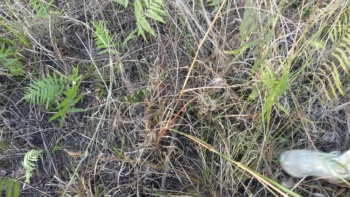
Bumpy Jointtail Grass: A Rare Native Treasure for Wetland Gardens
If you’re passionate about native plant conservation and have the right wet conditions, bumpy jointtail grass (Coelorachis tuberculosa) might just be the specialized addition your wetland garden has been waiting for. This delicate perennial grass is far from ordinary – it’s a vulnerable species that plays an important role in our southeastern wetland ecosystems.
What Makes Bumpy Jointtail Grass Special?
Bumpy jointtail grass is a fine-textured native grass that brings subtle beauty rather than showy blooms to the garden. Don’t expect flashy flowers – this grass-like plant offers quiet charm through its narrow leaves and inconspicuous flowering spikes. What it lacks in dramatic appeal, it makes up for in ecological importance and rarity.
This perennial grass belongs to the Poaceae family and may also be found in scientific literature under its synonyms Manisuris tuberculosa or Mnesithea tuberculosa.
Where Does It Call Home?
Bumpy jointtail grass is native to a relatively small corner of the southeastern United States, naturally occurring in Alabama, Florida, and Georgia. This limited range is part of what makes it so special – and so vulnerable.
- Species observed
- No observations
A Plant That Needs Our Help
Here’s something important every potential grower should know: bumpy jointtail grass has a global conservation status of S3, meaning it’s considered vulnerable throughout its range. In Alabama and Florida, it’s even rarer with an S1 status. This means if you’re considering adding it to your garden, you’ll want to source it responsibly from reputable native plant nurseries or conservation organizations – never collect it from the wild.
Perfect for Wetland Warriors
This grass isn’t for your average garden bed. Bumpy jointtail grass is classified as an obligate wetland species, meaning it almost always occurs in wetlands and requires consistently moist to wet conditions. If you have a bog garden, rain garden, or wetland restoration project, this could be your plant.
Growing Conditions:
- Soil: Consistently moist to wet, tolerates seasonal flooding
- Light: Full sun to partial shade
- USDA Zones: 8-10 (southeastern coastal regions)
- Water: High moisture requirements – not drought tolerant
Garden Role and Landscape Use
Think of bumpy jointtail grass as a supporting actor rather than the star of your wetland show. It provides fine texture and authentic native character to:
- Wetland restoration projects
- Native plant preserves
- Specialized bog gardens
- Rain gardens with consistent moisture
- Conservation-focused landscapes
Wildlife and Ecological Benefits
As a wind-pollinated grass, bumpy jointtail grass doesn’t attract showy butterflies or bees like flowering plants do. However, it contributes to wetland ecosystem health and may provide nesting materials for insects. Its real value lies in preserving authentic native plant communities and supporting the broader wetland ecosystem.
Planting and Care Tips
Growing bumpy jointtail grass successfully requires commitment to its specialized needs:
- Source plants responsibly from conservation-minded nurseries
- Ensure consistent moisture – this plant won’t survive in regular garden soil
- Plant in spring when soil temperatures warm
- Minimal fertilization needed in wetland conditions
- Once established in proper conditions, maintenance is minimal
- Allow natural seasonal cycles including potential dormancy
Should You Grow It?
Bumpy jointtail grass isn’t for everyone, and that’s okay. Consider this plant if you:
- Have genuine wetland conditions in your landscape
- Are passionate about native plant conservation
- Want to support rare and vulnerable species
- Have access to responsibly sourced plants
- Appreciate subtle, naturalistic beauty over flashy displays
If you don’t have wetland conditions but want to support native grasses, consider other southeastern native grass species that are more adaptable to regular garden conditions.
By choosing to grow bumpy jointtail grass responsibly, you’re not just adding a plant to your garden – you’re participating in conservation efforts to preserve a vulnerable piece of our native plant heritage. Just remember: with great rarity comes great responsibility to source and grow it ethically.