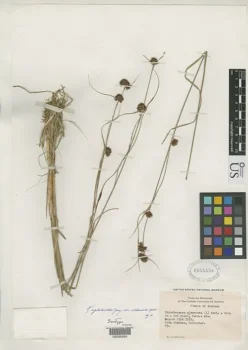
Bunched Beaksedge: A Specialized Native Sedge for Wetland Gardens
If you’re passionate about creating authentic wetland habitats or tackling soggy problem areas in your landscape, bunched beaksedge (Rhynchospora cephalantha) might just be the unsung hero your garden needs. This perennial native sedge brings subtle beauty and ecological authenticity to the right garden setting, though it’s definitely not a plant for every gardener or every garden.
What Makes Bunched Beaksedge Special
Bunched beaksedge is a grass-like perennial that belongs to the sedge family (Cyperaceae). Don’t let its modest appearance fool you – this plant is a wetland specialist that has been quietly doing its job in American ecosystems for countless years. Its narrow, grass-like foliage creates subtle texture, while small, clustered brownish flower heads give it its bunched common name.
Where It Calls Home
This native beauty has quite an impressive range across the eastern United States. You’ll find bunched beaksedge naturally growing in Alabama, Arkansas, Delaware, Florida, Georgia, Louisiana, Maryland, Mississippi, New Jersey, New York, North Carolina, South Carolina, Texas, and Virginia. It’s particularly at home in the Atlantic and Gulf Coastal Plain regions, where it thrives in the acidic, wet conditions it loves.
- Species observed
- No observations
A Word About Rarity
Here’s something important to know: bunched beaksedge has some conservation concerns. It’s listed as a species of concern in New Jersey’s Pinelands and Highlands regions. If you’re interested in growing this plant, please make sure you source it responsibly from reputable native plant nurseries rather than collecting from the wild. Supporting nursery-grown plants helps protect wild populations while still allowing you to enjoy this special sedge.
The Wetland Specialist
Here’s where bunched beaksedge gets really particular – it’s classified as an obligate wetland plant across all regions where it grows. This means it almost always occurs in wetlands and needs consistently moist to saturated soil conditions. If you don’t have naturally wet areas or aren’t prepared to provide constant moisture, this plant simply won’t thrive in your garden.
Perfect Garden Settings
Bunched beaksedge shines in specialized garden situations:
- Rain gardens and bioswales
- Bog gardens and wetland restorations
- Edges of ponds or water features
- Naturalistic landscapes with consistently wet areas
- Native plant gardens focused on wetland species
Growing Conditions
Success with bunched beaksedge comes down to getting the conditions right:
- Sunlight: Full sun to partial shade
- Soil: Consistently moist to saturated, acidic soils preferred
- Hardiness: USDA zones 6-9
- Moisture: Requires constant moisture – this is non-negotiable
Planting and Care Tips
Once you’ve confirmed you can provide the right wetland conditions, bunched beaksedge is relatively low-maintenance:
- Plant in spring after the last frost
- Ensure soil never dries out – consider installing irrigation if natural moisture isn’t reliable
- Little to no fertilization needed in appropriate wetland soils
- Can spread by underground rhizomes, so give it room to naturalize
- Minimal pruning required – cut back in late winter if desired
Is Bunched Beaksedge Right for You?
This plant is perfect for gardeners who are specifically creating wetland habitats, dealing with chronically wet areas, or passionate about growing authentic native plant communities. However, it’s not suitable for typical garden borders, containers, or areas with normal soil moisture.
If you’re drawn to the idea of native sedges but don’t have wetland conditions, consider exploring other native grass-like plants that are more adaptable to average garden conditions. But if you do have that perfect wet spot and want to support native biodiversity, bunched beaksedge could be exactly what you’re looking for – just remember to source it responsibly!