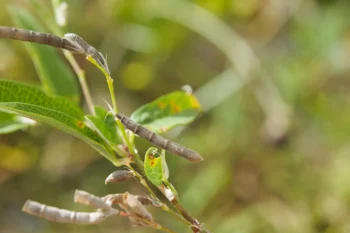
Bupleurum-Leaved Alysicarpus: A Mystery Plant of the Pacific
Meet one of gardening’s most elusive characters: the bupleurum-leaved alysicarpus (Alysicarpus bupleurifolius). If you’ve never heard of this plant before, you’re definitely not alone! This perennial forb is like the botanical equivalent of a rare collectible card – it exists, but finding information about it is quite the treasure hunt.
What Exactly Is This Plant?
Bupleurum-leaved alysicarpus is a perennial forb, which basically means it’s a non-woody plant that comes back year after year. Think of forbs as the everything else category of plants – they’re not grasses, trees, or shrubs, but rather herbaceous plants that lack significant woody growth above ground. These plants store their energy in underground parts during dormant seasons and sprout fresh growth when conditions are right.
Where Does It Call Home?
This mysterious plant is native to the Pacific Basin, specifically found in Guam and Palau. These tropical island locations give us some clues about what this plant might need to thrive – warm temperatures, humidity, and the unique growing conditions found in Pacific island ecosystems.
- Species observed
- No observations
The Great Information Gap
Here’s where things get interesting (and a bit frustrating for us plant enthusiasts): there’s remarkably little documented information about growing bupleurum-leaved alysicarpus in cultivation. This could mean several things:
- It might be extremely rare in its native habitat
- It could be challenging to grow outside its natural environment
- It may not have caught the attention of the horticultural world yet
- The plant might be known by other names in different regions
Should You Try Growing It?
Given the lack of cultivation information and its limited native range, this isn’t a plant you’re likely to find at your local nursery anytime soon. If you’re in Guam or Palau and happen to encounter this species, it would be wonderful to observe and potentially study it, but harvesting from wild populations wouldn’t be advisable without knowing its conservation status.
What We Can Infer
Based on its Pacific island origins, bupleurum-leaved alysicarpus would likely prefer:
- Warm, tropical conditions
- High humidity
- Well-draining soil (typical of many island plants)
- Protection from harsh winds
As a perennial forb, it probably dies back to its root system during any cooler or drier seasons and regrows when conditions improve.
The Bottom Line
Bupleurum-leaved alysicarpus remains one of gardening’s enigmas. While we can appreciate its existence as part of the rich biodiversity of Pacific islands, it’s not a practical choice for most gardeners. If you’re fascinated by rare and unusual plants, this one certainly fits the bill – just don’t expect to add it to your garden collection anytime soon!
For gardeners interested in Pacific island natives that are more readily available, consider researching other species from these regions that have been successfully cultivated and are available through responsible sources.