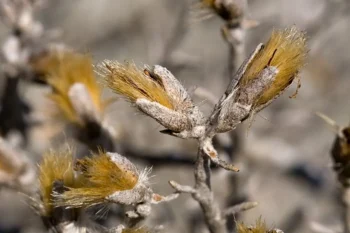
Burgess’ Broomsage: A Rare Desert Gem Worth Protecting
Meet Burgess’ broomsage (Lepidospartum burgessii), one of the Southwest’s best-kept botanical secrets. This unassuming desert shrub might not win any flashy flower contests, but it’s got something far more valuable—it’s a true native treasure that’s becoming increasingly rare in the wild.
What Makes Burgess’ Broomsage Special?
Don’t let the humble name fool you. Burgess’ broomsage is a charming perennial shrub that typically grows 4-13 feet tall with multiple stems rising from the base. In late summer and fall, it produces clusters of small, bright yellow daisy-like flowers that practically glow against the desert backdrop. The narrow, linear leaves give the plant a fine, almost feathery texture that adds subtle elegance to any landscape.
A True Southwestern Native
This hardy shrub is native to the United States, specifically calling the Chihuahuan Desert regions of New Mexico and Texas home. It’s perfectly adapted to the challenging conditions of the American Southwest, having evolved alongside other desert plants for thousands of years.
- Species observed
- No observations
The Rarity Factor: Handle with Care
Here’s the important part: Burgess’ broomsage has a Global Conservation Status of S2, meaning it’s imperiled due to extreme rarity. With typically only 6-20 known occurrences and fewer than 1,000-3,000 individuals remaining in the wild, this plant is genuinely rare and vulnerable.
If you’re considering adding this species to your garden, please only source plants or seeds from reputable native plant nurseries that propagate their own stock—never collect from wild populations.
Perfect for Desert Gardens
If you can find responsibly sourced Burgess’ broomsage, it makes an excellent addition to:
- Xeriscaped landscapes
- Native plant gardens
- Desert-themed landscapes
- Rock gardens with southwestern flair
- Low-water naturalistic plantings
Growing Conditions and Care
Like most desert natives, Burgess’ broomsage is refreshingly low-maintenance once established:
Climate: Thrives in USDA Hardiness Zones 7-9, perfect for hot, dry climates with mild winters.
Sun and Soil: Demands full sun and excellent drainage. Sandy or rocky soils are ideal—think desert conditions. Heavy clay or consistently moist soils will likely kill this drought-adapted plant.
Watering: Extremely drought tolerant once established. Water deeply but infrequently during the first year, then rely on natural rainfall.
Maintenance: Minimal pruning needed. Light trimming after flowering can help maintain shape, but this plant looks naturally attractive with little intervention.
Benefits for Wildlife and Pollinators
The late-season yellow blooms are a welcome sight for native bees, butterflies, and other pollinators when many other plants are winding down for the year. This makes Burgess’ broomsage particularly valuable in supporting local ecosystems.
Should You Plant Burgess’ Broomsage?
The answer depends on your commitment to conservation. If you live within its native range, have appropriate growing conditions, and can source plants responsibly, growing Burgess’ broomsage can be a meaningful way to help preserve this rare species. However, given its rarity, most gardeners might consider supporting conservation efforts for this species while choosing more common native alternatives like rabbitbrush or other Lepidospartum species for their landscapes.
Remember: every rare native plant we grow responsibly is a small victory for biodiversity. Just make sure you’re part of the solution, not part of the problem.