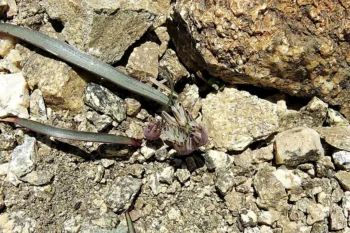
Burlew’s Onion: A Rare Native California Wildflower Worth Protecting
Meet Burlew’s onion (Allium burlewii), one of California’s lesser-known native treasures. This perennial wildflower might not be on every gardener’s radar, but it deserves recognition as part of the Golden State’s incredible botanical diversity. If you’re passionate about native plants and conservation, this rare onion species has a story worth knowing.
What Makes Burlew’s Onion Special?
Burlew’s onion is a native California perennial that belongs to the same family as garden onions and garlic, but don’t expect to harvest this one for dinner! This wild relative is all about conservation and supporting local ecosystems. Also known scientifically as Allium burlewii, and sometimes referenced by its synonym Allium johnstonii, this plant represents the specialized flora that makes California’s landscapes so unique.
As a forb (that’s botanist-speak for a non-woody herbaceous plant), Burlew’s onion grows from underground bulbs and likely produces the characteristic clustered flowers that make alliums so recognizable in the wild.
Where Does Burlew’s Onion Call Home?
This special onion is exclusively native to California, making it what botanists call an endemic species. Its distribution appears to be quite limited within the state, which contributes to its conservation status.
- Species observed
- No observations
Conservation Status: Handle with Care
Here’s where things get serious: Burlew’s onion has a Global Conservation Status of S3?, which indicates some level of conservation concern, though the exact details aren’t well-defined. This rarity status is a red flag that tells us this plant needs our protection and respect.
What does this mean for gardeners? If you ever encounter seeds or plants labeled as Burlew’s onion, make absolutely sure they come from responsible, ethical sources. Wild collection of rare plants can push already vulnerable populations toward extinction.
Should You Grow Burlew’s Onion?
The honest answer is that growing Burlew’s onion presents significant challenges:
- Very limited availability due to its rarity
- Unknown specific growing requirements
- Lack of cultivation information and care guidelines
- Conservation concerns about removing plants from wild populations
Instead of seeking out this rare species, consider supporting conservation by growing other native California alliums that are better suited to home gardens and more readily available from reputable native plant nurseries.
Better Alternatives: California’s Garden-Friendly Native Onions
California is home to many beautiful native allium species that are perfect for home gardens. Consider these alternatives:
- Wild onion (Allium drummondii) – More widely available and garden-adaptable
- Nodding onion (Allium cernuum) – Charming drooping flower clusters
- Blue dicks (Dichelostemma capitatum) – Another native bulb with similar appeal
Supporting Conservation
The best way to appreciate rare plants like Burlew’s onion is to support their conservation in the wild. Consider:
- Donating to California native plant conservation organizations
- Participating in citizen science projects that monitor rare plants
- Creating habitat for native pollinators in your garden
- Choosing well-documented native plants for your landscape
The Bigger Picture
While we may not be able to grow Burlew’s onion in our gardens, learning about species like this reminds us why native plant gardening matters. Every rare endemic species represents millions of years of evolution and adaptation to specific local conditions. By choosing native plants for our landscapes, we create stepping stones of habitat that support the broader ecosystem these rare species depend on.
So while Burlew’s onion might remain a wild treasure rather than a garden staple, it serves as an important reminder of California’s botanical richness and our responsibility to protect it for future generations.