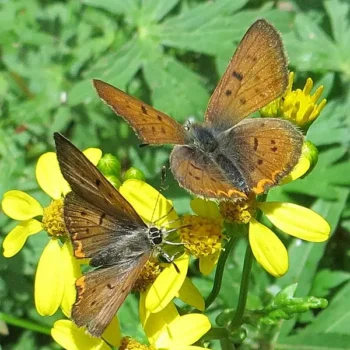
Burnet Ragwort: A Rare Native Wildflower Worth Protecting
If you’re a native plant enthusiast with a passion for rare and unique wildflowers, burnet ragwort (Packera sanguisorboides) might just capture your heart. This uncommon member of the sunflower family brings a touch of wild beauty to gardens while supporting local ecosystems—but there are some important things every gardener should know before adding it to their landscape.
What Makes Burnet Ragwort Special?
Burnet ragwort is a charming herbaceous perennial (sometimes biennial) that produces clusters of small, bright yellow daisy-like flowers. As a forb—basically a non-woody flowering plant—it maintains a relatively compact, ground-hugging form that makes it perfect for naturalized gardens and wildflower meadows.
You might also encounter this plant listed under its former scientific name, Senecio sanguisorboides, in older gardening references or seed catalogs.
Where Does It Call Home?
This lovely wildflower is native to the southwestern United States, with its primary stronghold in New Mexico. Its limited geographical distribution makes it a true regional treasure—and also explains why you won’t find it at your typical garden center.
- Species observed
- No observations
A Word of Caution: Rarity Matters
Here’s where things get important: burnet ragwort has a conservation status of S3S4, meaning it’s considered vulnerable to apparently secure in its native range. This isn’t a plant you’ll want to dig up from the wild or purchase from questionable sources.
If you’re determined to grow this rare beauty, make sure you:
- Source seeds or plants only from reputable native plant nurseries
- Verify that any material was ethically propagated, not wild-collected
- Consider growing it as part of conservation efforts
Growing Burnet Ragwort Successfully
Since detailed cultivation information for this specific species is limited due to its rarity, we can draw from what we know about related Packera species and its native habitat.
Ideal Growing Conditions
- USDA Hardiness Zones: Likely 4-8 (based on its New Mexico origins)
- Soil: Well-draining soils, probably tolerates poor to moderate fertility
- Light: Full sun to partial shade
- Water: Moderate water needs, drought-tolerant once established
Perfect Garden Roles
Burnet ragwort shines in:
- Native wildflower gardens
- Rock gardens with southwestern themes
- Natural or restored prairie areas
- Specialty collections of rare native plants
Wildlife and Pollinator Benefits
Those cheerful yellow blooms aren’t just pretty—they’re pollinator magnets! The flowers attract various small bees, butterflies, and other beneficial insects. As a native plant, it’s perfectly adapted to support local wildlife that co-evolved with it over thousands of years.
Care and Maintenance
The good news is that native plants like burnet ragwort are typically low-maintenance once established. Since it’s adapted to southwestern conditions, it should be relatively drought-tolerant and not require rich, heavily amended soils. Allow the plant to go to seed if you want it to naturalize (and help with conservation!), or deadhead spent flowers to encourage continued blooming.
Should You Grow Burnet Ragwort?
This plant is perfect for gardeners who:
- Are passionate about native plant conservation
- Want to support rare and unusual species
- Have experience growing wildflowers from seed
- Are committed to ethical plant sourcing
However, beginners might want to start with more common native alternatives while building their gardening skills. Consider other Packera species or southwestern natives that are more readily available and not at conservation risk.
Remember, every rare plant we grow responsibly in our gardens is a small step toward conservation. If you do decide to grow burnet ragwort, you’ll be joining a special community of gardeners who are helping preserve our native botanical heritage—one garden at a time.