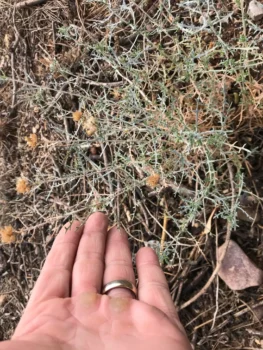
Burroweed: A Hidden Gem for Desert Gardens
If you’re looking for a tough, drought-tolerant native plant that brings late-season color to your southwestern garden, burroweed (Isocoma tenuisecta) might just be the unsung hero you’ve been searching for. This resilient perennial herb has been quietly thriving in the American Southwest for centuries, and it’s time more gardeners discovered its unique charms.
What is Burroweed?
Burroweed is a native perennial forb—essentially a non-woody flowering plant—that belongs to the sunflower family. Don’t let the term forb fool you into thinking it’s delicate; this little powerhouse is built to withstand the harsh conditions of desert life. You might also encounter it in older botanical references under its former name, Haplopappus tenuisectus.
Where Does Burroweed Call Home?
This southwestern native has a relatively limited natural range, growing wild in Arizona and New Mexico. It’s perfectly adapted to the unique climate and soil conditions of these regions, making it an excellent choice for gardeners in the Southwest who want to work with nature rather than against it.
- Species observed
- No observations
Why Consider Burroweed for Your Garden?
Here’s where burroweed really shines—it’s the plant equivalent of a reliable friend who shows up when you need them most. While many desert plants bloom in spring, burroweed saves its show for fall, producing clusters of small, bright yellow flowers just when your garden might be looking a bit tired from the summer heat.
The plant forms a compact, somewhat shrub-like appearance with fine-textured foliage that provides interesting texture year-round. It typically grows to a manageable size, making it perfect for smaller spaces or as an accent plant in larger landscapes.
Perfect Garden Companions
Burroweed is tailor-made for:
- Desert and xeriscape gardens
- Native plant landscapes
- Water-wise residential plantings
- Naturalistic meadow-style gardens
- Pollinator-friendly landscapes
Growing Conditions and Care
One of burroweed’s greatest selling points is its low-maintenance nature. This plant thrives in USDA hardiness zones 7-10, making it suitable for much of the southwestern United States.
Sun and Soil: Give burroweed full sun and well-draining soil—it absolutely cannot tolerate soggy conditions. Sandy or rocky soils that would challenge other plants are perfect for this desert native.
Water Needs: Once established (usually after the first year), burroweed is extremely drought tolerant. During its first growing season, provide occasional deep watering, but after that, natural rainfall should be sufficient in most areas.
Maintenance: This is where burroweed really wins points with busy gardeners. It requires minimal care—just light pruning after flowering to maintain shape if desired. No fertilizers needed, and pests rarely bother it.
Supporting Pollinators
Burroweed’s fall blooming period makes it particularly valuable for pollinators. When many other flowers have faded, burroweed provides a crucial late-season nectar source for native bees and butterflies preparing for winter or migration.
A Word About Conservation
Here’s something important to know: burroweed has a global conservation status of S3S4, which means it’s considered somewhat uncommon to apparently secure. While this shouldn’t alarm you, it does mean you should be thoughtful about sourcing. Always purchase plants from reputable nurseries that grow their stock rather than wild-collecting, and consider burroweed as a plant worth preserving in cultivation.
Is Burroweed Right for You?
Burroweed is an excellent choice if you:
- Garden in the Southwest (Arizona or New Mexico particularly)
- Want a low-maintenance, water-wise plant
- Appreciate subtle beauty over flashy displays
- Value supporting native wildlife
- Have well-draining soil and a sunny location
However, you might want to look elsewhere if you prefer lush, tropical-looking plants or garden in areas outside its natural hardiness range.
The Bottom Line
Burroweed may not be the showiest plant in the nursery, but it offers something increasingly valuable in our changing climate: resilience, reliability, and ecological value. For southwestern gardeners looking to create sustainable, beautiful landscapes that support local wildlife, burroweed deserves serious consideration. Just remember to source responsibly and give this quiet beauty the well-draining, sunny spot it craves.