Bursting-Heart: A Hidden Gem for Your Native Garden
If you’re looking for a native shrub that literally bursts with personality, meet the aptly named bursting-heart (Euonymus americanus). This charming southeastern native might not win any flashy flower contests, but its show-stopping fruits and understated elegance make it a delightful addition to woodland gardens and naturalized landscapes.
What Makes Bursting-Heart Special?
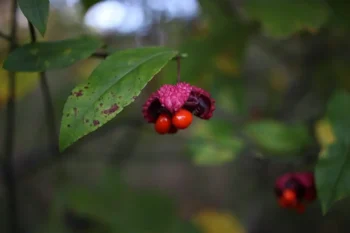
Also known as hearts-bustin’-with-love or strawberry bush, this perennial shrub gets its memorable names from its most distinctive feature: bright pink seed capsules that literally burst open in fall to reveal brilliant orange-red seeds. It’s like nature’s own little fireworks display happening right in your garden!
As a native species, bursting-heart naturally belongs in the eastern United States, where it grows wild from the southeastern states up through parts of the mid-Atlantic region. You’ll find it thriving across 24 states, from Florida and Texas in the south to Pennsylvania and New York in the north.
- Species observed
- No observations
Garden Appeal and Landscape Role
Don’t expect this modest shrub to dominate your landscape—and that’s exactly its charm. Bursting-heart typically reaches about 6 feet tall with a moderate growth rate, making it perfect for:
- Woodland gardens and shaded borders
- Native plant landscapes
- Naturalized areas
- Understory plantings beneath larger trees
While its small green flowers won’t stop traffic in late spring, the real show begins in summer when those distinctive seed capsules start forming. Come fall, when the capsules burst open and the foliage may turn reddish, your patience will be rewarded with one of nature’s most delightful surprises.
Growing Conditions: Keep It Happy
Bursting-heart is surprisingly adaptable when it comes to soil types, tolerating everything from coarse sandy soils to fine clay. However, it does have some specific preferences:
- Moisture: This shrub loves consistent moisture and can even tolerate occasional wet conditions
- pH: Prefers acidic conditions between 5.0-6.0
- Light: Intermediate shade tolerance makes it perfect for those tricky partial shade spots
- Hardiness: Thrives in USDA zones 6-9
- Temperature: Can handle temperatures down to -23°F
The plant’s wetland status varies by region, but generally, it’s quite flexible about moisture levels, though it performs best with regular watering and high moisture use.
Planting and Care Tips
Getting started with bursting-heart is refreshingly straightforward:
- When to plant: Spring is ideal, after the last frost
- Spacing: Plan for mature spread and allow adequate room for air circulation
- Soil prep: Add organic matter to improve soil structure and maintain moisture
- Mulching: A 2-3 inch layer helps retain moisture and suppress weeds
- Watering: Maintain consistent moisture, especially during establishment
Once established, this resilient native requires minimal fuss. It has good resprout ability and moderate fire tolerance, making it well-suited for naturalized settings.
Wildlife and Pollinator Benefits
While bursting-heart won’t be the star of your pollinator garden, it does contribute to the ecosystem in meaningful ways. The small flowers provide nectar for various insects, and the plant offers modest food and cover for wildlife including small mammals and birds, though typically making up only 2-5% of their diet.
The real wildlife value comes from its role as part of a diverse native plant community, where every species contributes to the larger ecological picture.
Propagation Possibilities
If you fall in love with bursting-heart (and who wouldn’t?), you’ll be pleased to know it’s readily propagated through several methods:
- Seeds (about 35,100 per pound!)
- Cuttings
- Bare root or container plants
Seeds require cold stratification, so if you’re collecting from existing plants, give them a winter chill period before planting in spring.
Is Bursting-Heart Right for Your Garden?
Consider adding bursting-heart to your landscape if you:
- Love native plants with unique seasonal interest
- Have partially shaded areas that need understory plants
- Want low-maintenance shrubs for naturalized areas
- Enjoy subtle beauty over flashy displays
- Have consistent moisture or occasional wet spots
This delightful native proves that sometimes the most rewarding garden plants are those that quietly go about their business most of the year, then surprise you with moments of pure magic. When those heart-shaped capsules burst open to reveal their jewel-like seeds, you’ll understand why this humble shrub has earned such endearing common names.