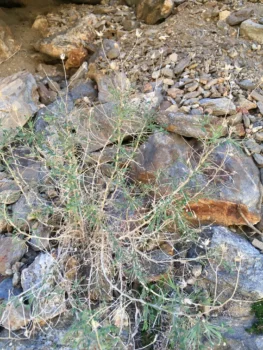
Bush Arrowleaf: A Compact Native Shrub for Southwestern Gardens
Meet bush arrowleaf (Pleurocoronis pluriseta), a delightful little native shrub that’s perfectly suited for gardeners looking to create water-wise landscapes in the American Southwest. This unassuming perennial packs a lot of charm into its compact frame, making it an excellent choice for those who appreciate understated beauty in their gardens.
What Makes Bush Arrowleaf Special?
Bush arrowleaf is a true southwestern native, naturally occurring across Arizona, California, Nevada, and Utah. This hardy perennial shrub stays refreshingly compact, typically growing to just 1.5 feet tall and rarely exceeding 3 feet at maturity. Its silvery-green foliage provides year-round interest, while clusters of small white to cream-colored flower heads add delicate beauty during blooming season.
You might also encounter this plant listed under its scientific synonym, Hofmeisteria pluriseta, in older gardening references or plant databases.
- Species observed
- No observations
Why Choose Bush Arrowleaf for Your Garden?
There are several compelling reasons to consider adding bush arrowleaf to your landscape:
- Water-wise choice: Once established, this drought-tolerant native requires minimal supplemental watering
- Pollinator friendly: The flowers attract small native bees and butterflies, supporting local ecosystems
- Low maintenance: Perfect for gardeners who want beauty without the fuss
- Native heritage: Supporting local wildlife and preserving regional plant communities
- Compact size: Ideal for smaller spaces or as a ground cover alternative
Perfect Garden Settings
Bush arrowleaf shines in several landscape applications:
- Desert and xeriscape gardens
- Rock gardens and succulent displays
- Native plant gardens
- Ground cover in sunny, dry areas
- Naturalized areas that mimic southwestern habitats
Growing Conditions and Care
Bush arrowleaf thrives in USDA hardiness zones 8-10, making it suitable for most of the southwestern United States where it naturally occurs. Here’s what this easy-going native prefers:
- Sunlight: Full sun exposure for best growth and flowering
- Soil: Well-draining soil is essential – avoid heavy clay or areas that stay wet
- Water: Drought tolerant once established; water sparingly and avoid overwatering
- Temperature: Well-adapted to hot, dry conditions typical of southwestern climates
Planting and Care Tips
Getting bush arrowleaf established in your garden is straightforward:
- Best planting time: Fall or spring when temperatures are moderate
- Spacing: Allow adequate space for the mature size, typically 2-3 feet between plants
- Initial care: Water regularly the first season to establish roots, then reduce watering
- Maintenance: Minimal pruning needed; remove dead flower heads if desired
- Fertilizer: Generally unnecessary in native soils; avoid over-fertilizing
Supporting Native Ecosystems
By choosing bush arrowleaf, you’re doing more than just beautifying your landscape. Native plants like this one have co-evolved with local wildlife over thousands of years, providing food and habitat that non-native plants simply can’t match. The flowers support native pollinators, while the plant structure may provide shelter for small wildlife.
Is Bush Arrowleaf Right for Your Garden?
Bush arrowleaf is an excellent choice if you’re gardening in the Southwest and want a low-maintenance, water-wise native plant. It’s particularly well-suited for gardeners who appreciate subtle beauty over flashy displays, and those committed to supporting local ecosystems. However, if you’re outside its natural range or prefer plants that require regular watering, you might want to consider other options more suited to your specific conditions.
This charming native shrub proves that sometimes the best garden additions are the ones that work with nature rather than against it. Bush arrowleaf offers the perfect combination of beauty, sustainability, and ease of care for southwestern gardeners ready to embrace their region’s natural heritage.