Bush Rue: A Rare California Native Worth Growing Responsibly
If you’re passionate about native plants and love the challenge of growing something truly special, bush rue might just capture your heart. This unassuming little shrub is one of California’s hidden gems—a rare native that deserves more recognition in drought-tolerant gardens across its range.
What is Bush Rue?
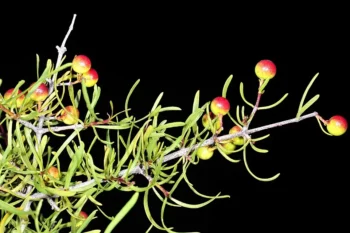
Bush rue (Cneoridium dumosum) is a small evergreen shrub that’s been quietly thriving in California’s landscapes for millennia. Don’t let its modest appearance fool you—this perennial woody plant packs a punch when it comes to drought tolerance and native wildlife support. You might occasionally see it listed under its old scientific name, Pitavia dumosa, but it’s the same wonderful plant.
This multi-stemmed shrub typically stays compact, rarely growing taller than 13 to 16 feet, though most specimens you’ll encounter are much smaller. Its small, leathery leaves give it a refined appearance that works beautifully in Mediterranean-style gardens.
Where Does Bush Rue Come From?
Bush rue is a true California native, with its natural range extending from southern California down into Baja California. Within the United States, you’ll only find this species growing wild in California, making it a special addition to Golden State gardens.
- Species observed
- No observations
A Word About Rarity
Here’s something important every potential bush rue grower needs to know: this plant has a Global Conservation Status of S2S3, which means it’s considered rare to uncommon throughout its range. This doesn’t mean you can’t grow it—quite the opposite! Growing rare natives in our gardens can help preserve these species for future generations. However, it does mean you should be extra careful about sourcing your plants responsibly from reputable native plant nurseries, never from wild populations.
Why Grow Bush Rue?
There are several compelling reasons to consider bush rue for your garden:
- Native heritage: Supporting local ecosystems by growing plants that naturally belong in your area
- Drought tolerance: Once established, bush rue thrives with minimal water—perfect for water-wise gardening
- Pollinator support: Its small white to greenish flowers may be tiny, but they attract important native bees and other small pollinators
- Low maintenance: This is not a fussy plant once it’s settled in
- Unique character: You’ll have something truly special that most gardeners have never seen
Growing Conditions and Care
Bush rue is surprisingly easy to grow if you can meet its basic needs. Think Mediterranean and you’re on the right track:
- Climate: Hardy in USDA zones 9-11, so it’s limited to warmer regions
- Sunlight: Prefers full sun but can tolerate some partial shade
- Soil: The golden rule here is drainage, drainage, drainage! Bush rue absolutely must have well-draining soil and will likely perish in heavy, clay, or waterlogged conditions
- Water: Drought-tolerant once established, but provide regular water the first year while roots develop
- Maintenance: Minimal pruning needed—just remove any dead or damaged branches as needed
Garden Design Ideas
Bush rue shines in several garden settings:
- Native plant gardens: Perfect companion for other California natives
- Xeric or drought-tolerant landscapes: Excellent backbone plant for water-wise gardens
- Mediterranean-style gardens: Its small leaves and compact form complement this aesthetic beautifully
- Slope plantings: Good choice for erosion control on well-draining slopes
The Bottom Line
Bush rue is a wonderful choice for gardeners who want to grow something meaningful and rare while supporting native ecosystems. Its drought tolerance and low-maintenance nature make it practical, while its rarity status makes it special. Just remember to source your plants responsibly from reputable native plant nurseries—never collect from wild populations.
If you’re gardening in zones 9-11 and can provide excellent drainage, bush rue could be the perfect addition to your native plant collection. Your local pollinators will thank you, and you’ll have the satisfaction of growing one of California’s more uncommon treasures.