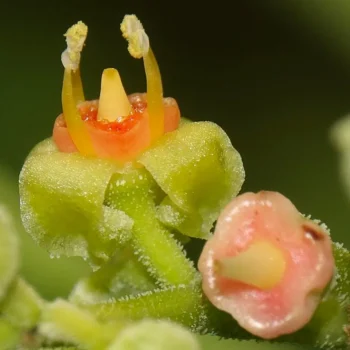
Bushkiller (Cayratia japonica): Why This Invasive Vine Should Stay Out of Your Garden
If you’ve stumbled across the name bushkiller while researching plants for your garden, the common name alone should give you pause. This herbaceous perennial vine, scientifically known as Cayratia japonica, lives up to its ominous moniker by aggressively overtaking native vegetation wherever it establishes itself.
What Is Bushkiller?
Bushkiller is a non-native climbing vine that belongs to the grape family. Originally from East Asia, this perennial herb lacks the woody stems you’d find in shrubs or trees, instead producing vigorous herbaceous growth that can quickly smother other plants. Despite being an herbaceous plant, its aggressive spreading habit and climbing ability make it a formidable invader in natural areas.
Where You’ll Find This Invasive Species
Currently, bushkiller has established populations in several southeastern states, including Alabama, Louisiana, Mississippi, North Carolina, and Texas. It has also been reported in Palau. The plant reproduces spontaneously in the wild without human assistance and tends to persist once established.
- Species observed
- No observations
Why Bushkiller Is a Problem
The invasive status of this plant varies by state, but the trend is concerning:
- In North Carolina, it’s officially classified as Invasive
- In Alabama, it’s on the Watch List, indicating growing concern about its potential impact
The plant’s ability to climb and spread rapidly allows it to outcompete native species, disrupting local ecosystems and reducing biodiversity. Once established, bushkiller can form dense mats that prevent native plants from receiving adequate sunlight and resources.
Growing Conditions and Hardiness
One reason bushkiller is such a successful invader is its adaptability. While specific growing requirements aren’t well-documented, the plant appears to thrive in USDA hardiness zones 7-10, based on its current distribution. It seems to tolerate a variety of soil conditions and light levels, making it difficult to control once it gains a foothold.
Our Strong Recommendation: Don’t Plant It
We cannot recommend planting bushkiller under any circumstances. Its invasive nature poses a serious threat to native ecosystems, and introducing it to new areas could have devastating environmental consequences. Even if you think you can control it in your garden, seeds can easily spread to natural areas through wildlife or wind dispersal.
Better Native Alternatives
Instead of risking ecological damage with bushkiller, consider these native climbing vines that provide similar coverage without the environmental concerns:
- American Groundnut (Apios americana) – A native legume with fragrant flowers
- Crossvine (Bignonia capreolata) – Produces stunning orange and red trumpet flowers
- Carolina Jessamine (Gelsemium sempervirens) – Evergreen vine with bright yellow flowers
- Trumpet Honeysuckle (Lonicera sempervirens) – Attracts hummingbirds with its red tubular flowers
What to Do If You Find Bushkiller
If you discover bushkiller growing on your property or in natural areas, contact your local extension office or state department of natural resources. They can provide guidance on proper identification and removal techniques. Early detection and rapid response are crucial for preventing this invasive species from spreading further.
Remember, the best way to protect our native ecosystems is to choose native plants that support local wildlife and maintain ecological balance. Leave the bushkiller where it belongs – out of our gardens and natural spaces.