Bush’s Blackberry: A Native Ground Cover Worth Considering
If you’re looking for a low-maintenance native shrub that won’t tower over your garden, Bush’s blackberry (Rubus bushii) might just be the unsung hero your landscape needs. This compact member of the blackberry family brings all the charm of its larger cousins but in a much more manageable package.
What Makes Bush’s Blackberry Special?
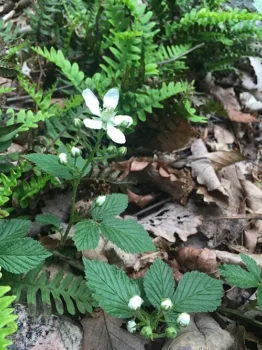
Bush’s blackberry is a true native of the south-central United States, naturally occurring across Arkansas, Kansas, Missouri, Oklahoma, and Texas. Unlike the towering brambles you might associate with blackberries, this little charmer stays refreshingly compact, typically growing under 1.5 feet tall and never exceeding 3 feet at maturity.
This perennial shrub has quite the collection of botanical aliases too – you might find it listed under synonyms like Rubus fructifer, Rubus kansanus, or several others, but they’re all referring to the same delightful plant.
- Species observed
- No observations
Garden Appeal and Landscape Role
Don’t let its modest size fool you – Bush’s blackberry packs plenty of garden appeal. In spring, it produces small white flowers that create a delicate display, followed by small dark berries that wildlife absolutely love. The thorny canes and deciduous foliage provide texture and seasonal interest, with leaves often turning attractive reddish hues in fall.
This versatile native works wonderfully as:
- Ground cover for naturalized areas
- Erosion control on slopes and hillsides
- Wildlife habitat in native plant gardens
- Low-maintenance filler for woodland edges
Growing Conditions and Care
One of Bush’s blackberry’s greatest strengths is its adaptability. This hardy native thrives in USDA zones 5-8, making it suitable for much of its native range and beyond. It’s remarkably flexible about growing conditions, tolerating everything from partial shade to full sun and adapting to various soil types.
The plant’s wetland status varies by region – it tends to prefer wetter conditions in some areas while being more drought-tolerant in others. In the Great Plains, it’s classified as Facultative Upland, meaning it usually grows in drier sites, while in other regions it’s Facultative Wetland, preferring moister soils. This adaptability makes it easier to find the right spot in your garden.
Planting and Maintenance Tips
Bush’s blackberry is refreshingly low-maintenance once established. Here’s what you need to know:
- Plant in spring or fall for best establishment
- Water regularly the first year, then it becomes quite drought-tolerant
- Minimal pruning needed – just remove dead or damaged canes
- May spread gradually by underground rhizomes, creating natural colonies
- Very little fertilizer needed as a native plant
Wildlife and Pollinator Benefits
While specific wildlife data isn’t readily available for Bush’s blackberry, blackberry species are generally excellent for supporting local ecosystems. The spring flowers provide nectar and pollen for bees, butterflies, and other beneficial insects, while the berries feed birds and small mammals throughout the growing season.
Should You Plant Bush’s Blackberry?
Bush’s blackberry is an excellent choice for gardeners who want to support native wildlife while maintaining a relatively tidy landscape. Its compact size makes it perfect for smaller spaces where traditional blackberry varieties would be overwhelming.
Consider this native if you’re creating a wildlife garden, need erosion control, or simply want a low-maintenance ground cover that gives back to the local ecosystem. Just remember that like most blackberries, it does have thorns, so plant it away from high-traffic areas.
With its adaptable nature, native credentials, and compact growth habit, Bush’s blackberry proves that good things really do come in small packages. It’s a wonderful way to add authentic regional character to your landscape while supporting the pollinators and wildlife that call your area home.