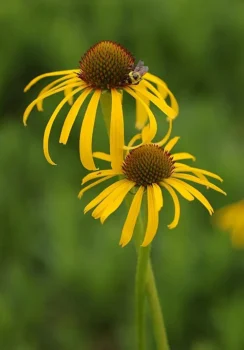
Bush’s Purple Coneflower: The Yellow Surprise That’s Not Actually Purple
If you’re scratching your head at the name Bush’s purple coneflower and wondering where the purple went, you’re not alone! This delightfully confusing native wildflower, scientifically known as Echinacea paradoxa, is actually the only yellow-flowered member of the purple coneflower family. Talk about standing out from the crowd!
A Rare Prairie Gem Worth Protecting
Before we dive into growing tips, here’s something every gardener should know: Bush’s purple coneflower is considered imperiled, with a global conservation status of S2. This means there are only 6 to 20 known occurrences in the wild, with roughly 1,000 to 3,000 individual plants remaining. While this rarity makes it extra special, it also means we need to be responsible gardeners. Only purchase plants or seeds from reputable native plant nurseries that ethically source their materials—never collect from wild populations.
Where This Yellow Beauty Calls Home
Bush’s purple coneflower is a true south-central American native, naturally occurring in Arkansas, Missouri, Oklahoma, and Texas. This perennial forb has adapted to the challenging prairie conditions of these states, making it a perfect choice for gardeners looking to support local ecosystems and wildlife.
- Species observed
- No observations
Why Your Garden (and Local Wildlife) Will Love It
Despite its rarity in the wild, Bush’s purple coneflower can be a fantastic addition to the right garden setting. Here’s what makes it special:
- Unique beauty: Those drooping yellow petals surrounding a prominent central cone create a distinctive daisy-like flower that blooms from late spring through summer
- Pollinator magnet: Bees, butterflies, and other native pollinators absolutely love these flowers
- Bird-friendly: The seed heads provide food for goldfinches and other seed-eating birds
- Low maintenance: Once established, it’s quite drought tolerant and requires minimal care
- Prairie authenticity: Perfect for native plant gardens and prairie restoration projects
Growing Conditions That Make It Happy
Bush’s purple coneflower is surprisingly easy to please, which makes sense given its prairie heritage. This hardy perennial thrives in USDA zones 4-8 and prefers:
- Full sun: At least 6-8 hours of direct sunlight daily
- Well-drained soil: Good drainage is crucial—soggy soil is its enemy
- Average to poor soil: Unlike many garden plants, it actually prefers lean soil over rich, fertile ground
- Space to spread: Plants typically reach 2-4 feet tall and about 18 inches wide
Planting and Care Made Simple
The good news is that Bush’s purple coneflower doesn’t demand much fussing once it’s settled in. Here are the basics:
- Timing: Plant in spring after the last frost, or direct seed in fall
- Spacing: Give each plant about 18-24 inches of breathing room
- Watering: Water regularly the first year to establish roots, then it can handle dry spells like a champ
- Maintenance: Deadhead spent flowers for continued blooming, or leave them for wildlife food
- Winter care: Leave stems standing for winter interest and to protect the crown
Perfect Garden Partners
Bush’s purple coneflower plays well with other prairie natives and drought-tolerant plants. Consider pairing it with native grasses like little bluestem, other wildflowers such as black-eyed Susan, and fellow prairie plants like purple prairie clover. It’s particularly stunning in naturalized meadows, xeriscaping projects, and pollinator gardens.
A Conservation Success Story in Your Backyard
By choosing to grow Bush’s purple coneflower responsibly, you’re not just adding a unique beauty to your landscape—you’re participating in conservation. Every ethically grown plant helps preserve the genetic diversity of this rare species while providing habitat and food sources for native wildlife. It’s gardening with a purpose, and honestly, what could be more satisfying than that?
Just remember: always source your plants or seeds from reputable native plant nurseries, and never collect from wild populations. With a little care and the right growing conditions, you can enjoy this prairie treasure while helping ensure its survival for future generations.