Bushy Bird’s Beak: A Challenging but Rewarding Native Wildflower
If you’re looking for a native wildflower that’s anything but ordinary, meet the bushy bird’s beak (Cordylanthus ramosus). This quirky little annual might not be the easiest plant to grow in your garden, but for adventurous native plant enthusiasts, it offers a unique opportunity to support local ecosystems while adding an interesting conversation piece to naturalistic landscapes.
What Makes Bushy Bird’s Beak Special?
Bushy bird’s beak is a native annual forb that calls the western United States home. You’ll find this distinctive wildflower growing naturally across eight states: California, Colorado, Idaho, Montana, Nevada, Oregon, Utah, and Wyoming. As a true western native, it’s perfectly adapted to the region’s challenging growing conditions.
- Species observed
- No observations
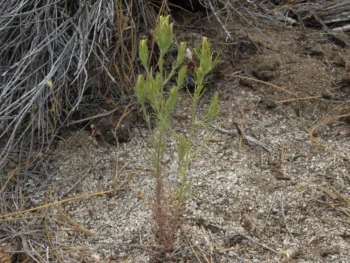
This charming plant reaches about one foot in height with an erect, single-crown growth form. During its summer blooming period, it produces conspicuous yellow flowers that stand out against its medium-textured green foliage. The flowers give way to brown seeds, though they’re not particularly showy.
The Garden Challenge: A Plant with Personality
Here’s where bushy bird’s beak gets interesting – and a bit complicated. Like other members of its family, this plant is what botanists call hemiparasitic. In simple terms, it’s a bit of a moocher that attaches to the roots of other plants to supplement its nutrition. This unique lifestyle makes it fascinating from an ecological perspective but challenging for home gardeners.
The plant grows rapidly during spring and summer, but don’t expect it to stick around for long-term garden structure. As an annual, it completes its entire life cycle in one growing season, then relies on seeds to return the following year.
Where Bushy Bird’s Beak Thrives
This adaptable native shows different preferences depending on location. In some regions, it acts as a wetland plant, while in others, it prefers drier upland areas. This flexibility makes it suitable for various landscape situations, from naturalistic rain gardens to dry wildflower meadows.
Ideal growing conditions include:
- Medium-textured soils (not too sandy, not too clay-heavy)
- pH between 6.0 and 7.8
- Annual precipitation of 10-20 inches
- Full sun to partial shade
- Good drainage with moderate moisture
- Minimum 80 frost-free days
Is This Plant Right for Your Garden?
Bushy bird’s beak works best in specific garden situations. Consider it if you’re creating:
- Native plant restoration projects
- Naturalistic wildflower meadows
- Educational gardens focused on plant ecology
- Specialized native plant collections
However, this might not be the best choice for traditional flower borders or low-maintenance landscapes. Its hemiparasitic nature means it needs compatible host plants nearby, and its annual habit means you’ll need to allow for natural reseeding.
Growing Tips for Success
If you’re determined to try growing bushy bird’s beak, here’s what you need to know:
Seeds are your only option: This plant can only be propagated from seed, with about 200,000 seeds per pound. Seeds should be planted in summer when they naturally ripen.
Be patient with establishment: Seedlings have medium vigor and spread slowly. Don’t expect quick results.
Provide the right companions: Since this plant is hemiparasitic, it needs appropriate host plants nearby. Native grasses and forbs from its natural habitat work best.
Plan for the future: Allow plants to set seed naturally if you want them to return next year. The seeds don’t persist long in the soil, so annual reproduction is essential.
Supporting Pollinators and Wildlife
While specific wildlife benefits aren’t well-documented, native plants like bushy bird’s beak typically support local pollinator populations. The summer-blooming yellow flowers likely attract small native bees and other beneficial insects that have co-evolved with western wildflowers.
The Bottom Line
Bushy bird’s beak isn’t for every gardener or every garden situation. Its specialized growing requirements and hemiparasitic lifestyle make it more suitable for dedicated native plant enthusiasts and restoration projects than casual flower gardens. However, for those interested in supporting complete native ecosystems and don’t mind a gardening challenge, this unique wildflower offers a chance to grow something truly special.
If you’re new to native gardening, you might want to start with easier native wildflowers and work your way up to more challenging species like bushy bird’s beak. But if you’re ready for an adventure and have the right growing conditions, this distinctive western native could be a fascinating addition to your naturalistic landscape.