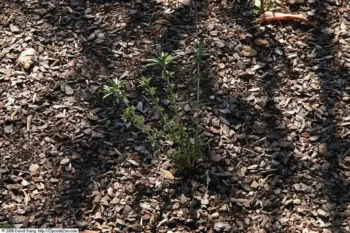
Bushy St. Johnswort: A Native Shrub That Loves Getting Its Feet Wet
If you’re looking for a native shrub that thrives in those tricky wet spots in your garden, meet bushy St. Johnswort (Hypericum densiflorum). This unassuming perennial shrub might not be the flashiest plant in your landscape, but it’s a reliable workhorse that brings steady beauty and ecological value to challenging garden conditions.
What Makes Bushy St. Johnswort Special?
Bushy St. Johnswort is a true American native, naturally occurring across 17 states from Massachusetts down to Texas and west to Oklahoma. This multi-stemmed shrub typically grows to about 6.6 feet tall, creating a pleasant, erect form that works beautifully in naturalized settings.
The plant’s geographic range includes Alabama, Delaware, District of Columbia, Georgia, Louisiana, Maryland, Massachusetts, New Jersey, New York, North Carolina, Oklahoma, Pennsylvania, South Carolina, Tennessee, Texas, Virginia, and West Virginia. This wide distribution speaks to its adaptability and resilience.
- Species observed
- No observations
Why Your Garden Will Love This Shrub
What sets bushy St. Johnswort apart is its exceptional tolerance for wet conditions. Classified as a Facultative Wetland plant across multiple regions, it usually thrives in wetlands but can also handle drier spots when needed. This flexibility makes it perfect for:
- Rain gardens and bioswales
- Pond edges and stream banks
- Soggy areas where other shrubs struggle
- Naturalized woodland gardens
- Wildlife habitat restoration projects
Aesthetic Appeal and Garden Role
During late spring, bushy St. Johnswort produces cheerful yellow flowers that add a bright pop of color to the landscape. While the blooms aren’t considered particularly showy, they provide consistent beauty and support pollinators during their blooming period. The fine-textured green foliage creates a dense appearance in summer, becoming more moderate in winter as the plant loses its leaves.
This shrub works wonderfully as a background plant in mixed borders, a naturalizing element in woodland settings, or as part of a native plant community designed to support local wildlife.
Growing Conditions: Easy Does It
One of the best things about bushy St. Johnswort is how accommodating it is. Here’s what it needs to thrive:
- Soil: Adaptable to coarse, medium, and fine-textured soils
- pH: Tolerates acidic to neutral conditions (4.0-7.5)
- Moisture: Prefers consistent moisture but has medium anaerobic tolerance
- Light: Shade tolerant, making it perfect for woodland gardens
- Climate: Requires at least 140 frost-free days and 35-50 inches of annual precipitation
Hardiness and Climate Considerations
This shrub can handle temperatures down to about 7°F, making it suitable for USDA hardiness zones 8-10. If you live in these zones and have challenging wet areas in your landscape, bushy St. Johnswort could be your new best friend.
Planting and Care Tips
Getting started with bushy St. Johnswort is refreshingly straightforward:
- Availability: This native is routinely available from native plant nurseries
- Planting: Can be planted as bare root or container plants
- Spacing: Plan for 1,700-2,700 plants per acre for restoration projects
- Fertilizer: Low fertility requirements – this plant doesn’t need pampering
- Growth rate: Slow and steady, so be patient in the first few years
- Maintenance: Minimal care needed once established
Wildlife and Pollinator Benefits
While specific wildlife benefits aren’t well-documented, native shrubs like bushy St. Johnswort typically provide habitat and food sources for local fauna. The yellow flowers offer nectar for pollinators during the late spring bloom period, and the shrub’s structure can provide nesting sites and cover for birds and small wildlife.
The Bottom Line
Bushy St. Johnswort might not be the star of your garden show, but it’s definitely a valuable supporting player. If you’re dealing with wet, shady areas where other plants struggle, or if you’re creating a native plant community that supports local ecosystems, this adaptable shrub deserves serious consideration. Its slow growth means you’ll need patience, but the reward is a reliable, long-lived addition to your landscape that works with nature rather than against it.
For gardeners committed to native plants and sustainable landscaping, bushy St. Johnswort represents the kind of steady, dependable choice that makes ecological gardening both successful and satisfying.