Buttecandle: A Hardy Native Wildflower for Your Garden
Meet buttecandle (Cryptantha celosioides), a charming native wildflower that’s been quietly thriving across western North America for centuries. This unassuming little plant might not win any beauty contests at first glance, but don’t let its modest appearance fool you – buttecandle is a gardener’s secret weapon for creating sustainable, low-maintenance landscapes that support local wildlife.
What Makes Buttecandle Special?
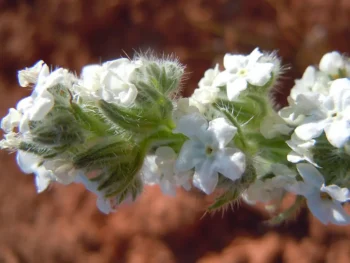
Buttecandle belongs to the forget-me-not family and lives up to its family’s reputation for producing delicate, attractive blooms. This native forb (that’s garden-speak for a non-woody flowering plant) can live as either a biennial or perennial, giving it impressive staying power in your garden. Its silvery-green foliage is covered in soft, bristly hairs that give the plant an almost fuzzy appearance, while small white flowers cluster together in dense, spike-like arrangements that somewhat resemble tiny candles – hence the charming common name.
Where Does Buttecandle Call Home?
This hardy native has quite an impressive range across North America. You’ll find buttecandle growing naturally from the Canadian provinces of Alberta, British Columbia, and Saskatchewan, down through the western United States including Colorado, Idaho, Montana, Nebraska, Nevada, North Dakota, Oregon, South Dakota, Washington, and Wyoming. This wide distribution tells us something important: buttecandle is incredibly adaptable and tough.
- Species observed
- No observations
Why Your Garden Needs Buttecandle
If you’re looking to create a truly sustainable landscape, native plants like buttecandle should be at the top of your list. Here’s why this humble wildflower deserves a spot in your garden:
- Drought tolerance: Once established, buttecandle thrives with minimal water, making it perfect for xeriscaping or areas where irrigation is limited
- Pollinator support: Those small white flowers are magnets for native bees and other beneficial insects
- Low maintenance: This plant has evolved to thrive in challenging conditions, so it won’t demand constant attention
- Authentic regional character: Using native plants helps preserve the natural heritage of your local ecosystem
Perfect Garden Spots for Buttecandle
Buttecandle isn’t meant for formal flower beds or high-water gardens. Instead, it shines in:
- Rock gardens and alpine settings
- Native plant and wildflower gardens
- Drought-tolerant landscapes
- Naturalized areas and meadow gardens
- Slopes and areas with poor soil
Growing Conditions and Care
The beauty of buttecandle lies in its simplicity. This plant thrives in USDA hardiness zones 3-7, handling both brutal winters and hot, dry summers with aplomb.
Sun requirements: Full sun is best, though it can tolerate some light shade
Soil needs: Well-drained soil is essential – buttecandle actually prefers poor to average soils over rich, fertile ground. Sandy or rocky soils are ideal.
Water requirements: Drought-tolerant once established, but appreciates occasional watering during prolonged dry spells
Planting and Care Tips
Getting buttecandle established in your garden is refreshingly straightforward:
- Seeding: Direct seed in fall for best results – the seeds need cold stratification over winter
- Soil preparation: Avoid amending soil with compost or fertilizer – this plant prefers lean conditions
- Watering: Water gently until established, then step back and let nature take over
- Maintenance: Minimal care needed – just remove any weeds that might compete with young plants
The Bottom Line
Buttecandle might not be the showiest plant in your garden, but it’s certainly one of the most reliable and ecologically valuable. If you’re gardening in its native range and want to create a sustainable, low-maintenance landscape that supports local wildlife, this hardy native deserves serious consideration. It’s proof that sometimes the most unassuming plants make the biggest difference in creating authentic, thriving garden ecosystems.
Remember, when you plant native species like buttecandle, you’re not just creating a beautiful space – you’re participating in conservation and helping maintain the natural heritage of your region. Now that’s something worth celebrating!