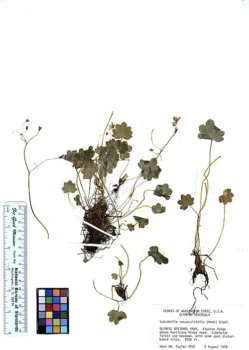
Buttercup Suksdorfia: A Hidden Gem for Shady Native Gardens
If you’re searching for a charming native perennial that thrives in those tricky shady spots, let me introduce you to buttercup suksdorfia (Suksdorfia ranunculifolia). This delightful little forb might not be the showiest plant in your garden, but it brings a quiet elegance that’s perfect for naturalistic landscapes and woodland settings.
What Makes Buttercup Suksdorfia Special?
Buttercup suksdorfia is a true North American native, naturally occurring across western regions from British Columbia down to California, and eastward through Idaho, Montana, Alberta, Oregon, and Washington. As a perennial forb, this plant returns year after year without the woody stems of shrubs or trees, making it an excellent choice for herbaceous borders and understory plantings.
- Species observed
- No observations
You might also encounter this plant listed under its scientific synonyms Boykinia ranunculifolia or Hemieva ranunculifolia in older gardening references, but rest assured – they’re all the same wonderful species.
Garden Appeal and Design Role
What buttercup suksdorfia lacks in size, it makes up for in charm. This petite perennial produces clusters of small, white flowers that seem to float above kidney-shaped basal leaves. The delicate blooms attract small pollinators like flies and diminutive bees, adding gentle movement and life to shaded garden areas.
In landscape design, buttercup suksdorfia excels as:
- Understory plantings in woodland gardens
- Ground cover in shaded rock gardens
- Naturalistic additions to native plant gardens
- Texture plants in shade borders
Growing Conditions and Care
One of the best things about buttercup suksdorfia is its adaptability to moisture conditions. This plant has a facultative wetland status, meaning it’s equally happy in moist soils or well-draining areas – though it does prefer consistent moisture for optimal growth.
For successful cultivation, provide:
- Light: Partial to full shade
- Soil: Moist, well-draining soil rich in organic matter
- Hardiness: USDA zones 4-8
- Water: Regular watering, especially during dry spells
Planting and Maintenance Tips
Spring is the ideal time to establish buttercup suksdorfia in your garden. Choose a location with morning sun and afternoon shade, or dappled light throughout the day. Amend heavy clay soils with compost to improve drainage, while sandy soils benefit from additional organic matter to retain moisture.
Once established, this native requires minimal maintenance. Simply:
- Water during extended dry periods
- Apply a thin layer of organic mulch to retain soil moisture
- Allow natural leaf litter to accumulate around plants for winter protection
- Divide clumps every 3-4 years if desired for propagation
Why Choose Buttercup Suksdorfia?
While buttercup suksdorfia might not be the boldest choice for your garden, it offers several compelling reasons to include it in your landscape:
- Native heritage: Supports local ecosystems and requires fewer resources than non-native alternatives
- Low maintenance: Once established, it’s remarkably self-sufficient
- Pollinator friendly: Provides nectar for small native pollinators
- Moisture flexible: Adapts to various soil moisture conditions
- Perennial reliability: Returns each year with minimal intervention
Perfect Garden Companions
Pair buttercup suksdorfia with other shade-loving natives like wild ginger, coral bells, or native ferns for a cohesive woodland garden. Its delicate texture contrasts beautifully with broader-leaved plants, creating visual interest through foliage diversity.
If you’re looking to add subtle beauty and native plant authenticity to your shaded garden spaces, buttercup suksdorfia deserves serious consideration. While it may not stop traffic, this charming perennial will quietly enhance your garden’s natural character for years to come.