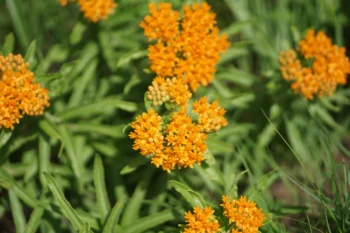
Butterfly Milkweed: A Native Gem for Your Pollinator Garden
If you’re looking to create a garden that’s both stunning and beneficial to local wildlife, let me introduce you to one of North America’s most beloved native plants: butterfly milkweed (Asclepias tuberosa interior). This vibrant perennial is like the life of the party in any garden – drawing butterflies, bees, and admiring glances from neighbors with equal enthusiasm.
What Makes Butterfly Milkweed Special?
Butterfly milkweed is a native perennial that’s perfectly at home across a vast swath of North America. This hardy plant is native to both Canada and the lower 48 states, making it a true continental treasure. You’ll find it thriving naturally from coast to coast, including Arizona, Arkansas, California, Ontario, Colorado, Connecticut, Quebec, Illinois, Indiana, Iowa, Kansas, Kentucky, Louisiana, Michigan, Minnesota, Mississippi, Missouri, Nebraska, New Mexico, New York, Ohio, Oklahoma, Pennsylvania, South Dakota, Tennessee, Texas, Utah, West Virginia, and Wisconsin.
- Species observed
- No observations
The plant also goes by the synonyms Asclepias tuberosa L. var. interior (Woodson) Shinners and Asclepias tuberosa L. ssp. terminalis Woodson, so don’t be confused if you see these names in plant catalogs or botanical references.
Why Your Garden Needs Butterfly Milkweed
Here’s where butterfly milkweed really shines – it’s an absolute magnet for pollinators, especially monarch butterflies. The bright orange flower clusters bloom from early to mid-summer, creating spectacular displays that look like tiny suns scattered across your landscape. These aren’t just pretty faces either; they’re working hard to support local ecosystems.
This plant is perfect for:
- Prairie and wildflower gardens
- Xeriscapes and drought-tolerant landscapes
- Pollinator gardens
- Native plant collections
- Naturalized areas where you want low-maintenance beauty
Growing Conditions and Care
One of the best things about butterfly milkweed is how easygoing it is once established. This perennial thrives in full sun and well-drained soils, making it an excellent choice for those sunny spots in your yard where other plants might struggle.
The plant is remarkably drought-tolerant, which means less watering for you and more resilience during dry spells. It typically grows well in USDA hardiness zones 3-9, so most North American gardeners can enjoy this beauty.
Planting and Establishment Tips
Getting butterfly milkweed started in your garden is straightforward, but patience is key. You can either direct seed in fall or early spring, or transplant nursery-grown plants in spring after the last frost.
Here are some tips for success:
- Choose a sunny location with good drainage
- Avoid overwatering – this plant prefers to dry out between waterings
- Be patient during the first year as the plant establishes its deep taproot
- Once established, minimal maintenance is required
- Avoid disturbing the roots once planted, as they don’t appreciate being moved
The Bottom Line
Butterfly milkweed is one of those rare plants that checks all the boxes: it’s native, low-maintenance, drought-tolerant, and absolutely crucial for supporting pollinator populations. Whether you’re a seasoned gardener or just starting out, this perennial deserves a spot in your landscape. Your local butterflies will thank you, and you’ll get to enjoy one of North America’s most reliable and beautiful native wildflowers for years to come.
Ready to welcome some flutter and buzz into your garden? Butterfly milkweed might just be the perfect place to start your native plant journey.