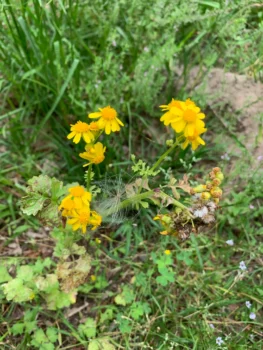
Butterweed: A Cheerful Spring Wildflower for Wet Gardens
If you’re looking for a bright splash of yellow to kick off your garden’s spring show, butterweed (Packera glabella) might just be the unsung hero you need. This charming annual wildflower brings sunshine to soggy spots where many other plants fear to tread, making it a perfect addition to rain gardens and naturalized wet areas.
What Is Butterweed?
Butterweed is an annual forb—basically a non-woody flowering plant—that belongs to the sunflower family. You might also see it listed under its former scientific names, Senecio glabellus or Senecio lobatus, if you’re browsing older gardening resources. This native wildflower completes its entire life cycle in one growing season, but don’t let that fool you into thinking it’s not worth planting.
Where Does Butterweed Call Home?
This sunny wildflower is native to a impressive swath of the United States, naturally occurring in states from the Southeast up through the Midwest and into parts of the Great Plains. You’ll find butterweed growing wild in Alabama, Arkansas, Florida, Georgia, Illinois, Indiana, Iowa, Kansas, Kentucky, Louisiana, Maryland, Mississippi, Missouri, Nebraska, North Carolina, Ohio, Oklahoma, South Carolina, South Dakota, Tennessee, and Texas. It’s even made appearances in Ontario, Canada, though it doesn’t stick around permanently there.
- Species observed
- No observations
What Does Butterweed Look Like?
Butterweed reaches about 3.2 feet tall at maturity with an upright, erect growth habit. The plant forms attractive bunches with green foliage that has a medium texture. But the real showstopper arrives in spring when clusters of bright yellow, daisy-like flowers cover the plant. These blooms are definitely eye-catching and provide a welcome burst of color when the garden is just waking up from winter.
The plant has a moderate growth rate and doesn’t require much fussing once it’s established. After flowering, it produces brown seeds that aren’t particularly showy but are important for the plant’s reproduction cycle.
Perfect Spots for Butterweed in Your Garden
Here’s where butterweed really shines: it loves wet feet! This plant thrives in consistently moist to wet soils, making it perfect for:
- Rain gardens and bioswales
- Pond or stream margins
- Low-lying areas that stay damp
- Native plant gardens with reliable moisture
- Naturalized wetland restoration areas
Butterweed serves as an excellent early-season nectar source, blooming when pollinators are just emerging and food sources are scarce. It’s particularly valuable in naturalized settings where you want to support local wildlife while maintaining a low-maintenance approach.
Growing Conditions: What Butterweed Needs to Thrive
The good news is that butterweed isn’t particularly fussy—as long as you can meet its moisture requirements. Here’s what this wetland lover prefers:
- Sunlight: Full sun (shade intolerant)
- Soil: Adaptable to both coarse and fine-textured soils
- pH: Tolerates a wide range from acidic to neutral (4.0-7.5)
- Moisture: High water needs; thrives in wet conditions
- Drainage: Can handle poorly drained, anaerobic soils
- Fertility: Low nutrient requirements
Butterweed is hardy in USDA zones 6-10 and can handle temperatures down to 32°F. It needs at least 160 frost-free days and performs best with 30-50 inches of annual precipitation.
Planting and Care Tips
Starting butterweed in your garden is refreshingly straightforward:
- Propagation: Grow from seed (about 450,000 seeds per pound!) or purchase container plants
- Planting density: Space plants to achieve 1,200-1,700 plants per acre for naturalized areas
- Timing: Plant in early spring for same-season blooms
- Care: Once established, butterweed needs minimal care beyond ensuring adequate moisture
- Self-seeding: This plant readily self-seeds at a moderate rate, so you may see volunteers the following year
The seeds have medium abundance and persistence, meaning you’ll get a decent crop that disperses relatively quickly—perfect for a naturalized setting.
Wildlife and Pollinator Benefits
One of butterweed’s greatest contributions to your garden ecosystem is its timing. Blooming in spring when few other nectar sources are available, it provides crucial early-season food for emerging pollinators including native bees, beneficial flies, and other small insects. This makes it an excellent addition to pollinator gardens, especially those focused on supporting wildlife through multiple seasons.
Is Butterweed Right for Your Garden?
Butterweed is an excellent choice if you have:
- Consistently moist or wet areas in your landscape
- Interest in supporting early-season pollinators
- A naturalized or native plant garden approach
- Patience for a plant that completes its show in one season
However, butterweed might not be the best fit if you:
- Have only dry garden areas
- Prefer long-lived perennial flowers
- Want low-maintenance plants for formal garden beds
- Need plants that perform well in shade
For gardeners blessed with wet spots that challenge other plants, butterweed offers a reliable, cheerful solution that supports local wildlife while requiring minimal intervention. Its brief but brilliant spring show makes it a worthwhile addition to any native plant enthusiast’s garden palette.