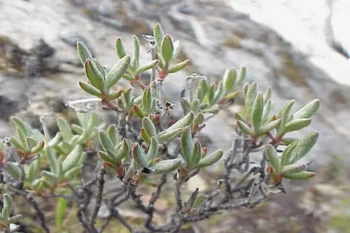
Butterworth’s Buckwheat: A Rare California Native Worth Protecting
Have you ever heard of a plant so rare that it exists in only a handful of places on Earth? Meet Butterworth’s buckwheat (Eriogonum butterworthianum), a California endemic that’s as elusive as it is charming. This little-known native perennial represents one of nature’s more exclusive offerings – a plant that most gardeners will never encounter, but one that deserves our attention and protection.
What Makes This Plant Special?
Butterworth’s buckwheat is a perennial forb, meaning it’s a non-woody plant that returns year after year from its root system. Like other members of the buckwheat family, it produces clusters of small, delicate flowers that range from white to soft pink. But don’t let its modest appearance fool you – this plant is botanical royalty due to its extreme rarity.
Where Does It Call Home?
This rare gem is native exclusively to California, where it clings to existence in very limited locations. Eriogonum butterworthianum has a Global Conservation Status of S2, which translates to Imperiled. This means there are typically only 6 to 20 known occurrences of this plant in the wild, with perhaps 1,000 to 3,000 individual plants remaining. That’s fewer individuals than many small towns have residents!
- Species observed
- No observations
A Plant on the Edge
The rarity of Butterworth’s buckwheat puts it in a precarious position. Climate change, habitat destruction, and human development all pose significant threats to its survival. Each remaining population is precious, representing thousands of years of evolution perfectly adapted to very specific conditions.
Should You Grow Butterworth’s Buckwheat?
Here’s where things get interesting – and responsible. While the conservation-minded gardener in you might want to help preserve this species by growing it, there are important considerations:
- Rarity concerns: With so few plants remaining in the wild, any cultivation should only be done with responsibly sourced material
- Specialized needs: This plant has evolved for very specific conditions that may be difficult to replicate in typical garden settings
- Legal considerations: Rare plants often have legal protections that regulate their collection and cultivation
If You’re Determined to Help
If you’re passionate about rare plant conservation and want to grow Butterworth’s buckwheat, here’s the responsible approach:
- Source plants only from reputable native plant nurseries that work with conservation programs
- Never collect from wild populations
- Contact local botanical gardens or native plant societies for guidance
- Consider supporting habitat conservation efforts instead
Growing Conditions (Based on Related Species)
While specific growing information for Butterworth’s buckwheat is limited due to its rarity, we can infer from its relatives that it likely prefers:
- Well-draining, sandy or rocky soil
- Full sun exposure
- Minimal summer water once established
- California’s Mediterranean climate conditions
Alternative Ways to Support Native Buckwheats
If growing Butterworth’s buckwheat isn’t feasible, consider these more common California native buckwheats that provide similar ecological benefits:
- California buckwheat (Eriogonum fasciculatum)
- Coast buckwheat (Eriogonum latifolium)
- Sulfur buckwheat (Eriogonum umbellatum)
The Bigger Picture
Butterworth’s buckwheat reminds us that our native flora includes species teetering on the brink of extinction. While most of us won’t grow this particular plant, learning about it connects us to the urgent need for habitat conservation and responsible gardening practices.
Every time we choose native plants for our gardens, we’re casting a vote for biodiversity and supporting the intricate web of life that includes rare treasures like Butterworth’s buckwheat. Sometimes the most important plants are the ones we admire from afar while working to protect their wild homes.