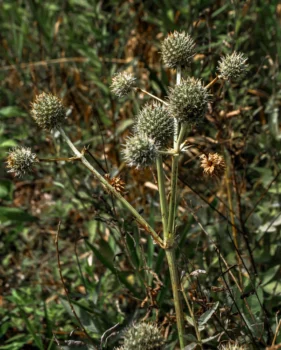
Button Eryngo: The Prairie’s Spiky Showstopper That’s Perfect for Low-Maintenance Gardens
If you’re looking for a native plant that brings both drama and reliability to your garden, meet button eryngo (Eryngium yuccifolium). This quirky perennial might just be the conversation starter your landscape has been missing. With its spiky, otherworldly flower heads and sword-like leaves, it’s like having a piece of the prairie’s wild architecture right in your backyard.
What Makes Button Eryngo Special
Button eryngo is a true American native, calling the central and eastern United States home. You’ll find this hardy perennial growing naturally across an impressive range of states, from Alabama and Arkansas in the south, all the way up to Minnesota and Wisconsin in the north, and stretching from the Atlantic coast to the Great Plains states like Kansas and Nebraska.
- Species observed
- No observations
As a forb (that’s garden-speak for a non-woody flowering plant), button eryngo brings a unique architectural quality to gardens that’s hard to find elsewhere. Its name comes from those distinctive button-like flower clusters that sit atop sturdy stems, creating an almost sculptural presence in the landscape.
The Look That Stops Traffic
What really sets button eryngo apart is its striking appearance. The plant produces clusters of small, white to pale green flowers that form dense, rounded heads – hence the button in its name. These blooms appear in mid to late summer, creating a spiky, thistle-like display that’s both elegant and wild-looking.
The foliage is equally impressive. Long, narrow leaves emerge from the base of the plant, resembling yucca leaves (which explains the yuccifolium part of its scientific name). This sword-like foliage creates interesting texture and structure even when the plant isn’t blooming.
Where Button Eryngo Shines in Your Garden
This versatile native works beautifully in several garden styles:
- Prairie and wildflower gardens where it can naturalize and spread
- Native plant gardens as a structural anchor plant
- Rain gardens, thanks to its adaptable moisture tolerance
- Mixed perennial borders where it adds height and texture
- Naturalized landscapes that mimic wild meadows
Button eryngo’s wetland status varies by region – it can handle both wet and dry conditions, making it incredibly adaptable. In some areas, it leans more toward wetland habitats, while in others it’s equally at home in drier spots.
Growing Button Eryngo: Easier Than You Think
One of the best things about button eryngo is how low-maintenance it is once established. This tough native thrives in USDA hardiness zones 4 through 9, making it suitable for most of the continental United States.
Light and Soil Requirements
Give your button eryngo full sun to partial shade – it’s not particularly picky. As for soil, this adaptable plant handles various conditions, from clay to sandy soils. It’s also quite drought tolerant once its roots are established, making it perfect for gardeners who want beauty without constant watering.
Planting and Care Tips
- Plant in spring or fall when temperatures are moderate
- Space plants about 2-3 feet apart to allow for natural spread
- Water regularly the first year to help establish roots
- After establishment, minimal watering needed except during severe droughts
- Deer tend to leave it alone – a bonus for many gardeners
- May self-seed, which is great for naturalizing areas
Wildlife and Pollinator Benefits
Button eryngo isn’t just a pretty face – it’s a pollinator magnet. The summer blooms attract bees, butterflies, and other beneficial insects who appreciate the nectar and pollen. This makes it an excellent choice for gardeners looking to support local ecosystems while creating beautiful landscapes.
You can choose to cut back the spent flowers after blooming, or leave the seed heads standing through winter. Many gardeners opt for the latter, as the dried seed heads add architectural interest to winter gardens and provide food for birds.
Is Button Eryngo Right for Your Garden?
Button eryngo is ideal if you want a native plant that’s both low-maintenance and visually striking. It’s perfect for gardeners who appreciate plants with personality – those unique specimens that make visitors stop and ask, What’s that interesting plant?
Consider adding button eryngo to your garden if you:
- Want to support native wildlife and pollinators
- Prefer plants that don’t need constant attention
- Love architectural, structural plants
- Are creating a rain garden or dealing with variable moisture
- Want something deer typically avoid
With its combination of striking looks, native credentials, and easy-going nature, button eryngo proves that sometimes the most interesting garden plants are the ones that have been thriving in our landscapes long before we got there. Give this prairie native a try – it might just become your new favorite conversation piece.