Buttonsage: A Low-Maintenance Native Charmer for Southern Gardens
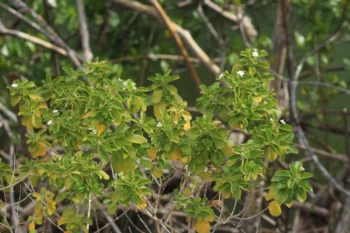
If you’re looking for a native plant that practically grows itself while serving up plenty of charm, let me introduce you to buttonsage (Lantana involucrata). This unassuming little shrub might not have the flashiest flowers in the garden, but what it lacks in drama, it more than makes up for in reliability and wildlife appeal.
What Makes Buttonsage Special?
Buttonsage is a true native beauty, naturally found in Florida, Puerto Rico, and the U.S. Virgin Islands. As a perennial shrub, this hardy plant typically grows as a multi-stemmed woody plant, usually staying under 13-16 feet in height, though in garden settings it tends to remain much more compact and manageable.
The plant produces clusters of small, button-like flowers that range from white to pale yellow. While these blooms might seem modest compared to their showier cousin, the common lantana, they’re absolutely beloved by butterflies, bees, and other pollinators. The small, oval leaves provide a nice backdrop for the flowers and give the plant a tidy, well-behaved appearance.
- Species observed
- No observations
Why Your Garden Will Love Buttonsage
Here’s where buttonsage really shines – it’s practically foolproof once established. This native shrub has evolved to thrive in tough conditions, making it perfect for gardeners who want beauty without the fuss.
- Extremely drought tolerant once established
- Salt tolerant, making it ideal for coastal gardens
- Attracts butterflies and other beneficial pollinators
- Low maintenance requirements
- Works well as ground cover or border plant
- Supports local ecosystems as a native species
Perfect Garden Settings for Buttonsage
Buttonsage is incredibly versatile when it comes to landscape design. It works beautifully in native plant gardens, where it can mingle with other Florida natives. Coastal gardeners will appreciate its salt tolerance, making it an excellent choice for beachside properties. It’s also perfect for xerophytic landscapes – those water-wise gardens that celebrate drought-tolerant plants.
Consider using buttonsage as a border plant along pathways, as ground cover in naturalized areas, or as part of a pollinator garden where its flowers can work their magic on visiting butterflies and bees.
Growing Buttonsage Successfully
The good news? Buttonsage is remarkably easy to grow if you’re gardening in USDA hardiness zones 9-11. Here’s how to set your buttonsage up for success:
Ideal Growing Conditions
- Sunlight: Full sun to partial shade (though it flowers best in full sun)
- Soil: Well-draining sandy soils are ideal, but it’s quite adaptable
- Water: Drought tolerant once established, but appreciates regular water during the first growing season
- Climate: Thrives in warm, humid conditions
Planting and Care Tips
Plant your buttonsage in spring after the last frost danger has passed. Choose a spot that gets good drainage – this plant doesn’t appreciate soggy feet. Water regularly during the first year to help establish a strong root system, then step back and let nature take over.
One of the best things about buttonsage is how little care it needs. Minimal pruning is required, though you can shape it if desired. It’s naturally compact and well-behaved, so it won’t try to take over your garden like some of its more aggressive relatives.
The Wildlife Connection
By choosing buttonsage, you’re not just adding a pretty plant to your garden – you’re creating habitat. This native shrub has co-evolved with local wildlife over thousands of years, making it particularly valuable for supporting butterflies, native bees, and other pollinators that might struggle with non-native plants.
Is Buttonsage Right for Your Garden?
Buttonsage is an excellent choice if you’re gardening in zones 9-11 and want a low-maintenance native plant that supports local wildlife. It’s particularly perfect for coastal gardens, drought-tolerant landscapes, and anyone looking to reduce their garden’s water needs while still enjoying flowers and wildlife activity.
The main limitation is its cold sensitivity – if you’re gardening north of zone 9, you’ll want to look for other native alternatives better suited to your climate. But for southern gardeners, buttonsage offers that sweet spot of native authenticity, low maintenance, and genuine garden value that’s hard to beat.
Sometimes the best plants are the quiet performers, and buttonsage definitely fits that description. It won’t demand attention, but it will reward you with reliable blooms, happy pollinators, and the satisfaction of knowing you’re growing something that truly belongs in your landscape.