Cabbage on a Stick: The Quirky Hawaiian Plant That’s Almost Too Rare to Grow
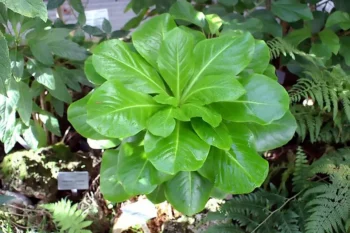
With a name like cabbage on a stick, you might expect this Hawaiian native to be as common as coleslaw. But Brighamia insignis is actually one of the world’s rarest plants – and one of the most unusual-looking specimens you’ll ever encounter. This critically endangered Hawaiian endemic looks exactly like its quirky common name suggests: a thick, succulent trunk topped with a rosette of cabbage-like leaves.
What Makes Cabbage on a Stick So Special?
Brighamia insignis is a perennial shrub that defies typical plant expectations. Growing as a multi-stemmed woody plant, it typically reaches 13 to 16 feet in height, though it can be smaller under certain conditions. The plant’s most striking feature is its distinctive silhouette – a thick, bottle-shaped trunk that stores water, crowned with a cluster of bright green leaves that do indeed resemble a giant cabbage perched on a stick.
During blooming season, this remarkable plant produces clusters of bright yellow, trumpet-shaped flowers that add a cheerful pop of color to its already unusual appearance.
A True Hawaiian Original
This plant is as Hawaiian as it gets – it’s found nowhere else on Earth. Brighamia insignis is native exclusively to Hawaii, where it grows naturally on the dramatic sea cliffs of Kauai and Niihau islands.
- Species observed
- No observations
The Reality Check: Why You Probably Shouldn’t Try Growing This
Here’s the important part: Brighamia insignis has a Global Conservation Status of S1, meaning it’s critically imperiled with typically 5 or fewer occurrences remaining in the wild. In the United States, it’s classified as Endangered. This isn’t just a rare plant – it’s hanging on by a thread in nature.
If you’re considering adding this plant to your collection, please keep these crucial points in mind:
- Extreme rarity: With fewer than 1,000 individuals remaining in the wild, every plant matters for conservation
- Specialized needs: This plant requires very specific growing conditions that are difficult to replicate
- Responsible sourcing only: If you do find this plant available, ensure it comes from legitimate conservation propagation programs
- Expert-level care required: This is not a plant for beginners
Growing Conditions (For the Brave and Experienced)
If you’re an experienced grower working with conservation organizations, here’s what cabbage on a stick needs:
- Climate: USDA hardiness zones 10-12 only (tropical and subtropical climates)
- Light: Bright, indirect sunlight
- Soil: Extremely well-draining, rocky or sandy mix
- Water: Minimal – this plant is adapted to dry conditions and easily succumbs to root rot
- Temperature: Warm, stable temperatures year-round
The Pollination Problem
Here’s where things get really interesting (and sad): Brighamia insignis evolved to be pollinated by a specific type of Hawaiian moth that’s now extinct. In the wild, botanists literally rappel down cliffs with paintbrushes to hand-pollinate the remaining plants to prevent extinction. This gives you an idea of just how specialized and precarious this plant’s situation is.
Better Alternatives for Your Garden
Instead of trying to grow this endangered species, consider these more sustainable options that can give you similar sculptural interest:
- Other Hawaiian natives like native hibiscus or native morning glory
- Drought-tolerant succulents with architectural forms
- Native plants from your own region that support local ecosystems
How You Can Help
The best way to appreciate Brighamia insignis is to support conservation efforts rather than trying to grow it yourself. Consider donating to botanical gardens and conservation organizations working to save this remarkable species. Some botanical gardens may have specimens you can visit and admire – which is honestly the best way to experience this incredible plant.
Cabbage on a stick reminds us that sometimes the most beautiful and interesting plants are the ones we should admire from afar, ensuring they continue to exist for future generations to wonder at on those dramatic Hawaiian cliffs where they belong.