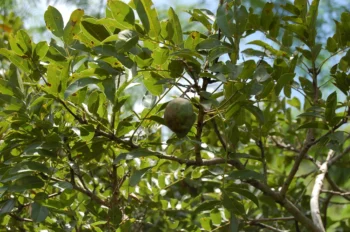
Cabbagebark Tree: A Towering Native Beauty for Tropical Gardens
If you’re looking for a impressive native tree that can transform your tropical landscape, meet the cabbagebark tree (Andira inermis). This magnificent perennial tree might just be the perfect addition to your garden – if you have the space and the right climate for it!
What is the Cabbagebark Tree?
The cabbagebark tree is a stunning native species that’s truly built for grandeur. As a single-stemmed tree, it typically grows over 13-16 feet tall, but don’t let that fool you – this fast-growing giant can reach an impressive 90 feet at maturity, with some specimens stretching up to 120 feet after 20 years! You might also see it listed under its synonyms Andira jamaicensis or Geoffrea inermis in older plant references.
Where Does It Call Home?
This native beauty naturally occurs in the warmer corners of the United States, specifically in Florida, Puerto Rico, and the U.S. Virgin Islands. It’s perfectly adapted to life in the Caribbean region and the Atlantic and Gulf Coastal Plain, where it thrives in the tropical and subtropical climate.
- Species observed
- No observations
Visual Appeal: A Tree That Commands Attention
The cabbagebark tree is a real showstopper throughout the year. Here’s what makes it so special:
- Dense, medium-textured green foliage that stays put year-round
- Conspicuous white flowers that bloom during summer months
- Eye-catching brown seed pods that appear from summer through fall
- An irregular, unique shape that adds character to any landscape
- Fall foliage that becomes particularly conspicuous
Perfect Growing Conditions
This tree has some specific preferences that you’ll want to keep in mind:
Climate Requirements: The cabbagebark tree is strictly a warm-climate plant, requiring USDA hardiness zones 10b-11. It needs year-round frost-free conditions (365 days minimum) and won’t tolerate temperatures below 32°F.
Soil Preferences: It adapts well to coarse and medium-textured soils but struggles in fine-textured soils. The tree can handle medium levels of salt, calcium carbonate, and even some drought conditions once established.
Water and Light: Despite being somewhat drought-tolerant, it has low moisture requirements overall. However, it’s shade intolerant, so make sure to plant it where it’ll receive full sun. Its facultative wetland status means it can grow in both wetland and non-wetland conditions.
Garden Design and Landscape Role
This tree is definitely not for small spaces! With its rapid growth rate and potential 90-foot height, the cabbagebark tree works best in:
- Large residential properties as a majestic canopy tree
- Parks and public spaces
- Tropical and subtropical landscape designs
- Areas where you want to create substantial shade
- Properties with ample room for a tree’s irregular, spreading form
Benefits for Wildlife and Pollinators
The cabbagebark tree’s white summer flowers provide nectar for various pollinators, making it a valuable addition to wildlife-friendly landscapes. As a nitrogen-fixing tree with medium capability, it also helps improve soil health in your garden ecosystem.
Planting and Care Tips
Propagation: You have several options for getting started:
- Seeds (190 seeds per pound, with high seedling vigor)
- Container plants (routinely available commercially)
- Bare root plants
- Cuttings
Planting: Plan for 320-640 trees per acre if you’re doing large-scale planting. Give your tree plenty of room – remember, this isn’t a plant you can crowd!
Care: The good news is that once established, cabbagebark trees are relatively low-maintenance. They have medium fertility requirements and good resprout ability if damaged. However, they have no hedge tolerance, so don’t expect to keep this tree small with pruning.
Things to Consider
Before you fall in love with this tree, keep in mind:
- It has moderate toxicity, so be cautious around children and pets
- Fire resistance is low, so consider this if you’re in a fire-prone area
- The tree has a long lifespan, so this is a commitment for generations
- Root depth reaches at least 36 inches, so avoid planting near utilities
Is the Cabbagebark Tree Right for You?
The cabbagebark tree is an excellent choice if you live in zones 10b-11, have plenty of space, and want a stunning native tree that will provide shade and beauty for decades to come. Its rapid growth, attractive flowers, and wildlife benefits make it a valuable addition to appropriate landscapes. However, if you’re working with limited space or live outside its hardiness range, you might want to consider smaller native alternatives better suited to your specific conditions.
Remember, choosing native plants like the cabbagebark tree supports local ecosystems and reduces maintenance needs once established. Just make sure you’re prepared for the impressive size this beautiful native will eventually achieve!