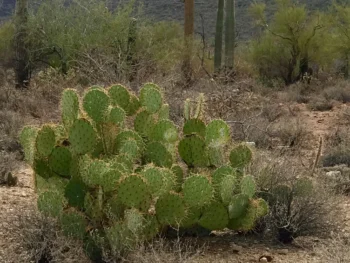
Cactus Apple: A Striking Native Succulent for Desert Gardens
If you’re looking to add some serious desert drama to your landscape, meet the cactus apple (Opuntia engelmannii var. engelmannii). This impressive native succulent brings both beauty and resilience to southwestern gardens, though it definitely demands respect – and we’re not just talking about its striking appearance!
What Makes Cactus Apple Special
Also known by its scientific name Opuntia engelmannii var. engelmannii, this perennial shrub is a true native of the American Southwest. It’s perfectly at home across Arizona, California, Nevada, New Mexico, Texas, and Utah, where it has spent millennia mastering the art of desert survival.
- Species observed
- No observations
This isn’t your average houseplant – cactus apple typically grows as a multi-stemmed woody shrub that can reach 13 to 16 feet in height under ideal conditions. Its distinctive paddle-shaped segments (called pads) create an architectural silhouette that’s instantly recognizable and undeniably striking in the landscape.
Garden Appeal and Landscape Role
The cactus apple earns its place in desert gardens through sheer visual impact. In spring, it produces gorgeous yellow flowers that seem to glow against the blue-green pads. These blooms eventually give way to red-purple fruits – the apples in its common name – which are not only edible but add another layer of seasonal interest.
This plant excels as:
- A dramatic specimen plant or focal point
- Natural barrier planting (those spines mean business!)
- Architectural element in xerophytic designs
- Authentic addition to southwestern-style landscapes
Perfect Garden Matches
Cactus apple thrives in specific garden styles where its bold personality can shine:
- Desert and xeriscape gardens
- Rock gardens with excellent drainage
- Drought-tolerant landscape designs
- Native plant gardens in appropriate regions
Wildlife and Pollinator Benefits
Don’t let those intimidating spines fool you – cactus apple is actually quite the pollinator magnet! Its cheerful yellow spring flowers attract native bees, beetles, and other desert-adapted pollinators. The fruits also provide food for various wildlife species, making this plant a valuable component of native ecosystems.
Growing Conditions and Hardiness
This desert native is built for tough conditions, thriving in USDA hardiness zones 8-11. It can handle temperatures down to about 10-15°F, making it surprisingly cold-hardy for a desert plant.
Essential growing requirements include:
- Full sun exposure (6+ hours daily)
- Extremely well-draining soil – sandy or rocky is perfect
- Minimal water once established
- Protection from excessive moisture and humidity
Planting and Care Tips
Successfully growing cactus apple starts with respecting its desert origins:
Planting: Spring is the ideal planting time. Choose your location carefully – this plant doesn’t like to be moved once established, and you’ll want to consider foot traffic patterns given those formidable spines.
Soil Preparation: If your soil doesn’t drain quickly, amend with sand, gravel, or pumice. Standing water is this plant’s biggest enemy.
Watering: Water sparingly, even when establishing. Once mature, natural rainfall in its native range is typically sufficient.
Safety First: Always wear thick gloves and protective clothing when handling. Those spines aren’t just for show!
Is Cactus Apple Right for Your Garden?
Consider planting cactus apple if you:
- Garden in its native southwestern range
- Want a dramatic, low-maintenance focal point
- Appreciate native plants and wildlife habitat
- Have excellent drainage and full sun
- Don’t mind working around protective spines
This might not be the best choice if you have small children frequently in the garden, prefer plants you can handle easily, or lack the well-draining conditions it absolutely requires.
When grown in appropriate conditions within its native range, cactus apple rewards gardeners with years of striking beauty, minimal maintenance needs, and the satisfaction of supporting native ecosystems. Just remember to give it – and those impressive spines – the respect they deserve!