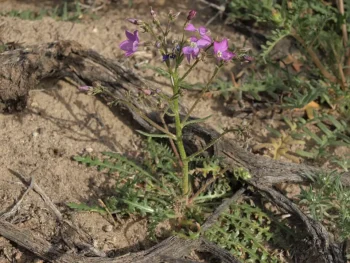
Cactus Flat Gilia: Nevada’s Delicate Desert Annual
Meet the cactus flat gilia (Aliciella heterostyla), a charming little annual that proves big things sometimes come in small packages. This Nevada native might not win any awards for showiness, but it’s got character – and for desert gardeners looking to embrace truly local flora, it’s a fascinating addition to consider.
What Makes Cactus Flat Gilia Special
Don’t let the name fool you – cactus flat gilia isn’t actually a cactus! This delicate annual forb belongs to the phlox family and produces small, tubular flowers that range from white to pale pink. As an herbaceous plant, it lacks woody stems and completes its entire life cycle in a single growing season, making it quite different from the spiny desert dwellers it’s named after.
Formerly known as Gilia heterostyla, this little wildflower has recently been reclassified into the Aliciella genus, reflecting ongoing botanical research into desert plant relationships.
Where You’ll Find It Growing Wild
Cactus flat gilia is what botanists call an endemic species – it’s found naturally only in Nevada’s desert regions. This makes it a truly unique addition to local landscapes, representing the distinctive flora that has evolved specifically in Nevada’s harsh desert conditions.
- Species observed
- No observations
A Word About Rarity
Here’s something important to know: cactus flat gilia has a conservation status of S3S4, indicating it’s somewhat uncommon in the wild. While this doesn’t mean it’s endangered, it does mean we should be thoughtful about how we source it. If you’re interested in growing this Nevada native, always obtain seeds or plants from reputable native plant nurseries that practice ethical collection methods – never collect from wild populations.
Growing Cactus Flat Gilia Successfully
Ready to try your hand at growing this desert gem? Here’s what you need to know:
Ideal Growing Conditions
- Full sun exposure (6+ hours daily)
- Well-draining sandy or rocky soils
- Minimal water requirements once established
- USDA hardiness zones 8-10
- Excellent drainage is absolutely critical
Planting and Care Tips
Since cactus flat gilia is an annual, you’ll need to replant it each year or allow it to self-seed:
- Direct seed in fall for spring germination
- Barely cover seeds with soil – they need light to germinate
- Water lightly during germination, then reduce irrigation significantly
- Avoid rich, amended soils – this plant prefers lean conditions
- Allow some plants to go to seed for natural reseeding
Perfect Garden Situations
Cactus flat gilia shines in specific garden settings:
- Rock gardens with excellent drainage
- Xeriscaping and water-wise landscapes
- Native Nevada plant collections
- Desert-themed gardens
- Areas where you want seasonal color without ongoing maintenance
Wildlife and Pollinator Value
While small, the tubular flowers of cactus flat gilia likely provide nectar for native pollinators, including small native bees and possibly hummingbirds. As with many native annuals, it may also provide seeds for desert-adapted birds later in the season.
Is Cactus Flat Gilia Right for Your Garden?
Consider cactus flat gilia if you:
- Garden in Nevada’s desert regions
- Want to support local native plant conservation
- Enjoy subtle, seasonal beauty over flashy displays
- Have well-draining soil and full sun
- Appreciate the challenge of growing uncommon plants
Skip it if you:
- Prefer showy, long-blooming flowers
- Have heavy clay or poorly draining soil
- Want low-maintenance perennials
- Garden outside of its natural climate zone
The Bottom Line
Cactus flat gilia won’t be everyone’s cup of tea, but for gardeners passionate about Nevada’s native flora, it offers a unique opportunity to grow something truly special and local. Its delicate beauty and ecological value make it worth considering – just remember to source it responsibly and provide the harsh, dry conditions it craves. Sometimes the most rewarding garden plants are the ones that challenge us to garden like nature intended.