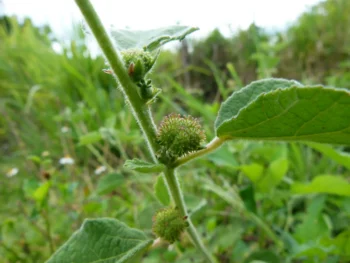
Caesarweed (Urena lobata): A Tropical Shrub for Warm Climate Gardens
If you’re gardening in a warm climate and looking for a low-maintenance flowering shrub, you might have come across Caesarweed. This compact perennial offers pretty hibiscus-like blooms and adapts well to various growing conditions, making it a consideration for tropical and subtropical landscapes.
What is Caesarweed?
Caesarweed (Urena lobata) is a small, low-growing perennial shrub that typically stays under 1.5 feet tall, though it can occasionally reach up to 3 feet at maturity. Also known by its synonym Urena trilobata, this member of the mallow family produces charming pink to purple flowers that resemble miniature hibiscus blooms. The heart-shaped leaves may be simple or lobed, giving the plant an attractive, textured appearance.
Where Does Caesarweed Grow?
Originally native to tropical regions including Puerto Rico and the U.S. Virgin Islands, Caesarweed has established itself in several warm-climate areas. You can find it growing in Florida, Hawaii, Louisiana, Guam, and Palau, where it reproduces spontaneously and persists in the wild.
- Species observed
- No observations
Native Status: Something to Consider
Here’s where things get interesting – and important for responsible gardening. While Caesarweed is native to Puerto Rico and the Virgin Islands, it’s considered non-native in the continental United States and Hawaii. It’s not currently listed as invasive or noxious, but it does naturalize readily in these areas. If you’re passionate about supporting local ecosystems, you might want to consider native alternatives that provide similar benefits to local wildlife.
Garden Appeal and Design Role
Caesarweed brings several appealing qualities to the garden:
- Compact size makes it perfect for borders and edges
- Continuous blooming throughout the growing season
- Attractive foliage provides year-round interest
- Low maintenance once established
- Works well as groundcover in naturalized areas
The small stature and spreading habit make it suitable for tropical and subtropical garden designs, particularly in informal or naturalized landscapes.
Growing Conditions and Care
One of Caesarweed’s biggest selling points is how easy it is to grow. This adaptable plant thrives in USDA hardiness zones 9-11, making it perfect for year-round outdoor cultivation in warm climates.
Preferred conditions:
- Full sun to partial shade
- Various soil types – it’s not picky!
- Regular water when young, drought tolerant once established
- Warm temperatures year-round
Wetland Flexibility
Caesarweed shows interesting adaptability when it comes to moisture levels. In different regions, it has varying wetland statuses:
- Atlantic and Gulf Coastal Plain: Facultative (grows in both wetlands and uplands)
- Caribbean and Hawaii: Facultative Upland (prefers drier sites but tolerates some moisture)
This flexibility means it can handle a range of moisture conditions in your garden.
Pollinator Benefits
The hibiscus-like flowers attract bees and butterflies, providing nectar sources for pollinators. While this is beneficial, native plants typically offer more comprehensive support for local pollinator populations.
Should You Plant Caesarweed?
The decision comes down to your gardening priorities. Caesarweed offers low-maintenance beauty and some pollinator benefits. However, since it’s non-native in most areas where it’s commonly grown, consider exploring native alternatives first.
For similar low-growing shrubs with attractive flowers, look into native options in your area such as native hibiscus species, wild bergamot, or other indigenous flowering shrubs that provide superior wildlife habitat and ecosystem support.
If you do choose to grow Caesarweed, be mindful that it can self-seed readily. Keep an eye on its spread and consider removing seedlings if they appear beyond where you want them.
The Bottom Line
Caesarweed is an attractive, easy-to-grow option for warm-climate gardens. While it’s not problematic enough to avoid entirely, choosing native alternatives when possible better supports local ecosystems and wildlife. Whatever you decide, this little shrub certainly knows how to make itself at home in the garden!