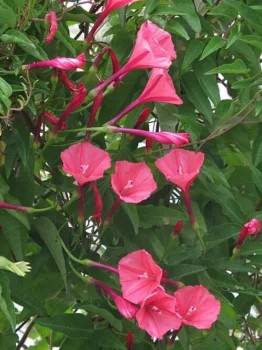
Calcareous Morning-Glory: A Rare Native Vine Worth Protecting
If you’re looking to add a touch of botanical rarity to your Florida or Puerto Rico garden, the calcareous morning-glory (Ipomoea microdactyla) might just be the climbing companion you’ve been searching for. This perennial vine is more than just another pretty flower – it’s a conservation story wrapped up in delicate blooms and heart-shaped leaves.
What Makes This Morning-Glory Special?
The calcareous morning-glory is a true native treasure, naturally occurring only in Florida and Puerto Rico. Unlike its more common morning-glory cousins that seem to pop up everywhere, this particular species has chosen a much more exclusive lifestyle. It’s what botanists call imperiled, with only 6 to 20 known occurrences in the wild – making it rarer than a sunny day during hurricane season!
Where You’ll Find It Growing Wild
This climbing beauty calls Florida and Puerto Rico home, where it thrives in areas with calcareous (limestone-rich) soils. True to its common name, it has a particular fondness for alkaline conditions that many other plants find challenging.
- Species observed
- No observations
A Vine with Personality
As a twining and climbing perennial, the calcareous morning-glory knows how to make itself at home. Its stems can become somewhat woody over time, giving it a more permanent presence in your landscape than annual vines. The plant produces the classic funnel-shaped flowers you’d expect from a morning-glory family member, typically in white to pale pink shades that complement its heart-shaped foliage beautifully.
Garden Role and Design Ideas
This native vine works wonderfully as:
- A climbing accent on trellises or arbors
- Natural screening along fences
- A conservation-focused addition to native plant gardens
- Part of coastal or limestone garden designs
Growing Conditions and Care
The calcareous morning-glory appreciates:
- Sunlight: Full sun to partial shade
- Soil: Well-draining, alkaline soils (it loves limestone!)
- Water: Moderate watering once established
- Climate: USDA Zones 9-11
- Support: Provide climbing structures like trellises or fences
The Conservation Angle
Here’s where things get serious: this plant is genuinely rare. With its S2 conservation status, every garden that responsibly grows this species becomes a small sanctuary. However – and this is crucial – only plant calcareous morning-glory if you can source it responsibly. This means:
- Never collecting from wild populations
- Purchasing only from reputable native plant nurseries
- Ensuring any seeds or plants come from cultivated sources
Pollinator and Wildlife Benefits
Like other morning-glories, this species likely supports local pollinators including butterflies and other beneficial insects. By growing native plants, you’re providing authentic habitat that local wildlife has evolved alongside for thousands of years.
Should You Plant It?
If you garden in Florida or Puerto Rico and can source this plant responsibly, absolutely! You’ll be participating in conservation while adding a unique native vine to your landscape. Just remember that with great rarity comes great responsibility – treat this plant as the botanical treasure it truly is.
For gardeners outside its native range, consider supporting this species by donating to conservation organizations working to protect Florida’s and Puerto Rico’s native plant communities. Every little bit helps ensure that future generations can enjoy the simple pleasure of watching a rare morning-glory greet the dawn.