Calcareous Rimmed Lichen: A Natural Stone Garden Ally
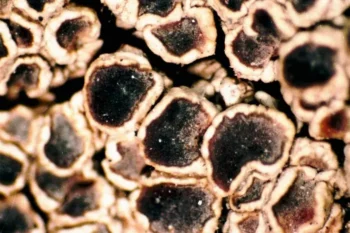
Have you ever noticed those curious crusty, grayish patches decorating stone walls, limestone rocks, or concrete surfaces in your garden? Meet the calcareous rimmed lichen (Aspicilia calcarea), a fascinating organism that’s probably been quietly enhancing your outdoor spaces without you even realizing it!
What Exactly Is a Lichen?
Before we dive into the specifics of our stone-loving friend, let’s clear up what a lichen actually is. Lichens aren’t plants in the traditional sense – they’re actually a remarkable partnership between fungi and algae (or sometimes cyanobacteria). Think of it as nature’s ultimate roommate situation, where both partners benefit from living together. The fungus provides structure and protection, while the algae produces food through photosynthesis.
Aspicilia calcarea, also known by its scientific synonym Lecanora calcarea, is one of these incredible collaborative organisms that’s native to North America.
Geographic Distribution
This hardy lichen can be found throughout North America, particularly thriving in areas where limestone and other calcareous rocks are abundant. It’s quite the traveler, adapting to various climates while maintaining its preference for alkaline, calcium-rich surfaces.
Identifying Calcareous Rimmed Lichen
Spotting Aspicilia calcarea is like becoming a detective in your own backyard. Here’s what to look for:
- Circular or irregular grayish-white to pale gray crusty patches
- Distinctive raised rims around the edges (hence the rimmed in its common name)
- Typically found on limestone, concrete, mortar, and other calcium-rich surfaces
- Flat, crusty appearance that seems almost painted onto the rock surface
- Size can vary from small coins to dinner plate-sized colonies
Is It Beneficial to Your Garden?
While you can’t exactly plant calcareous rimmed lichen in your garden like you would a petunia, its presence is actually a wonderful sign! Here’s why you should appreciate these crusty companions:
Natural Indicators
Lichens are like nature’s air quality monitors. Their presence indicates relatively clean air, as they’re sensitive to pollution. If you spot Aspicilia calcarea thriving on your stone features, congratulations – you’re likely enjoying decent air quality!
Aesthetic Value
These lichens add subtle texture and natural patina to stone surfaces, giving garden walls, rock features, and pathways an aged, weathered character that many gardeners spend considerable money trying to achieve artificially.
Low-Maintenance Beauty
Unlike traditional garden plants, these lichens require absolutely no care from you. No watering, no fertilizing, no pruning – they’re the ultimate set-it-and-forget-it garden feature.
Supporting Biodiversity
While lichens don’t provide nectar for pollinators, they do support various small creatures and contribute to the overall ecosystem diversity in your garden.
Growing Conditions (Or Rather, Where They Appear Naturally)
You can’t actively cultivate calcareous rimmed lichen, but you can create conditions where it might naturally establish:
- Limestone rocks, concrete surfaces, or mortar joints
- Areas with good air circulation
- Moderate moisture levels (not constantly wet or bone dry)
- Surfaces that receive some light but aren’t in intense, direct sun all day
- Minimal disturbance from cleaning or scrubbing
Encouraging Natural Development
If you’d like to encourage lichens like Aspicilia calcarea in your garden, consider these approaches:
- Incorporate natural limestone or concrete features
- Avoid using harsh chemicals or pressure washing on stone surfaces
- Be patient – lichens grow very slowly and may take years to establish visible colonies
- Maintain good air quality around your property
- Create rock gardens or stone walls using appropriate materials
A Word of Appreciation
The next time you notice those subtle gray patches on your garden stones, take a moment to appreciate the amazing biological partnership you’re witnessing. Calcareous rimmed lichen represents millions of years of evolutionary cooperation, quietly adding character to your landscape while serving as a living indicator of environmental health.
Remember, these fascinating organisms are doing their thing completely independently – no green thumb required! They’re proof that some of the most interesting garden inhabitants are the ones that choose to live with us, rather than the ones we choose to plant.